
Did you know a single waste truck can serve over 1,200 homes daily? These trucks are key to keeping our areas clean and safe.
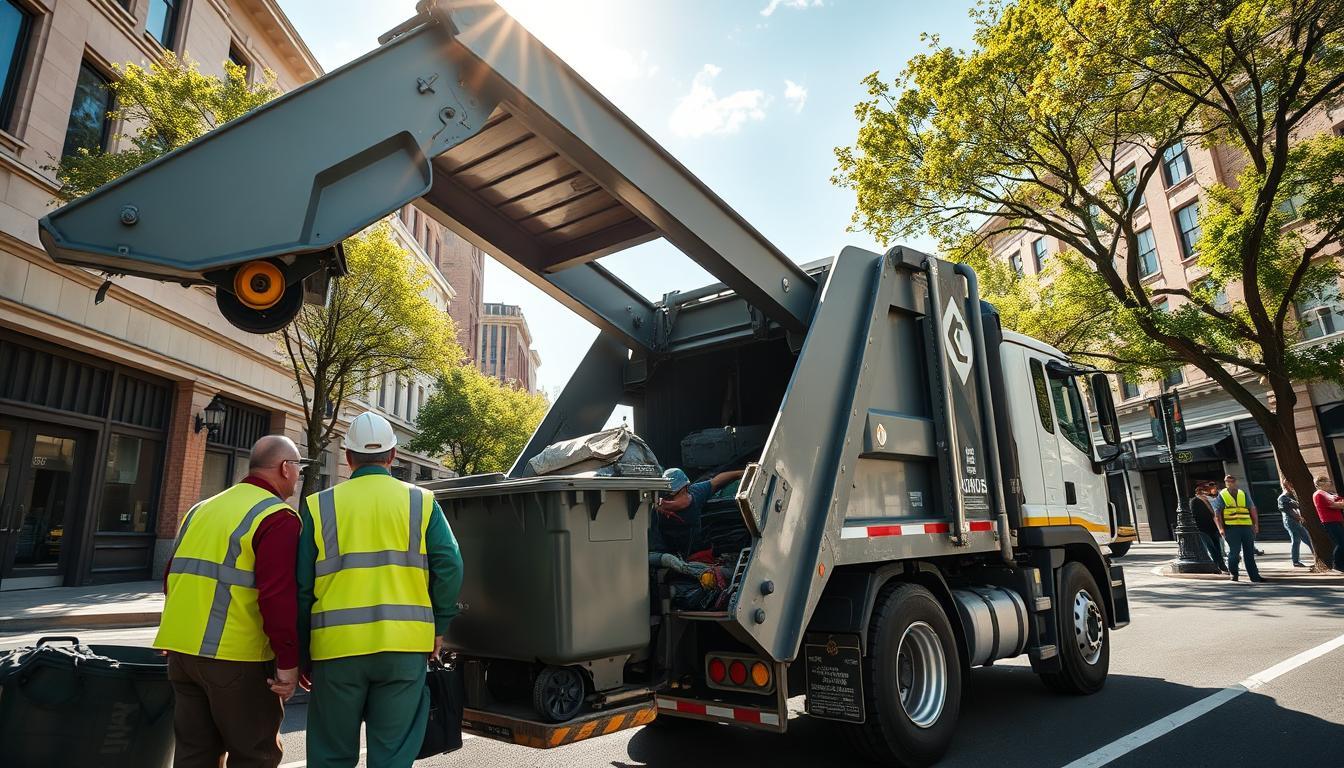
Running these big vehicles costs a lot. Costs change based on how many trucks you have and where you are. Knowing these costs and the Type of Garbage Trucks you use is key for waste management businesses. This guide will show you what it takes to run these trucks. We’ll look at all the costs to help you make smart choices. Good budgeting is the base of running a waste management business well. This is true for both new and established businesses. We’ll look at renting versus buying trucks. Making smart choices here can help your business grow and make more money. Let’s dive into the money side of keeping our communities clean with good waste management.
Understanding the True Cost of Operating a Garbage Truck
Many businesses just look at the initial cost of getting garbage trucks. But there are many ongoing costs that add up over time. Total costs include buying the truck, fuel, maintenance, labour, insurance, and disposal fees. These costs last throughout the truck’s life. Depreciation is a big factor in a truck’s value over time. Trucks lose value as they get older and are used more. Many businesses forget about hidden costs when planning their budget. Costs like admin, licenses, and unexpected repairs can surprise new operators. Both fixed and variable costs are important to consider. Fixed costs stay the same, while variable costs change with how much you use the truck. Operational costs usually take up 20-50% of waste management budgets. This is true for both city and commercial operations. Different business models have different costs. City waste management is different from commercial services.
Fuel costs are a big ongoing expense. Labor costs include not just drivers but also collection teams. Understanding costs helps make better financial decisions. Good budgeting is key to running a waste management business well.
Breaking Down the Operational Cost Components
Managing waste collection means knowing about different costs. Each cost is important for planning your budget. Smart operators look at these costs separately. This helps find ways to save money.
Vehicle Acquisition: The Major Upfront Investment
Buying a new waste truck is a big upfront cost. Prices can be from $150,000 to $500,000, depending on what it has. Special features like hydraulic lifts and compaction mechanisms add to the cost. Customizing the truck for specific routes also increases the price.
Fuel Consumption: A Significant Recurring Expense
Diesel trucks use a lot of fuel every day. How long the truck goes and how many stops it makes affects fuel use. Trucks in cities use more fuel because of all the stops and starts. Keeping the truck well-maintained can help use less fuel.
Maintenance, Repairs, and Labor Costs
Regular maintenance is a big part of running a truck. Costs can be between $15,000 and $25,000 a year for each truck. Things like oil changes, tire replacements, and brake checks are essential. So are checks on the hydraulic system. Labor costs are more than just driver salaries. Collection teams need good pay and benefits. Training staff is also important.
Insurance, Disposal Fees, and Administrative Overheads
Insurance costs vary based on where you operate and the truck’s value. Cities usually have higher costs. Disposal fees at waste facilities are another big cost. Fees for landfills and recycling facilities add up fast. Administrative costs include things like licenses, permits, and paperwork. These costs need to be budgeted for. Unexpected repairs can also be a big strain on your budget. Things like electrical systems and compaction mechanisms might need urgent fixes.
Your Acquisition Strategy: To Rent or To Buy?
Every waste management company has to make a big choice. It’s about whether to rent garbage collection vehicles or buy them. This decision can change your financial future a lot. Choosing to rent trucks costs about $2,000 each month. You don’t need to spend a lot of money upfront. This way, you can start working right away without a big investment.
Purchase alternatives typically involve $60,000 average prices with financing at 5% interest. Over five years, this totals approximately $72,000 compared to $84,000 for renting.
The versus buying decision significantly impacts your financial commitments. Rental agreements often include maintenance and insurance coverage, reducing administrative burdens.
Ownership builds equity but requires substantial capital investment. Your business size and growth stage should guide this important choice.
Smaller operations often benefit from rental flexibility during expansion phases. Established companies might prefer the long-term savings of ownership.
Always align acquisition plans with your strategic goals. There’s no universal solution that works for every waste management operation.
Consider your route consistency and service requirements carefully. The right choice balances immediate needs with long-term objectives for sustainable growth.
The Advantages of Renting a Garbage Truck
Renting waste collection vehicles offers smart solutions for modern operations. This approach provides immediate benefits without long-term commitments.
Many successful companies choose rental options for their flexibility. This strategy works well for both new and established businesses.
Financial Flexibility and Lower Upfront Costs
Rental agreements require minimal initial investment compared to purchasing. This preserves capital for other business needs.
Your company maintains better cash flow with predictable monthly rental costs. There’s no large down payment draining resources.
Preserved borrowing power helps during expansion periods. Banks view rental payments differently than large equipment loans.
Operational Flexibility and Reduced Maintenance Hassle
Scale your services up or down based on seasonal demands. Rental contracts adapt to changing business needs over time.
Maintenance becomes the rental company’s responsibility. This eliminates unexpected repair bills and downtime.
Access the latest truck technologies without long-term commitment. Test different models before making purchase decisions.
Insurance coverage typically comes included in rental agreements. Parking and storage concerns also disappear.
Professional support is just a phone call away. Companies like Checkerhire offer comprehensive solutions for various needs.
Their flexible terms range from hourly to long-term contracts. This adaptability helps management business operations run smoothly.
For immediate assistance with rental services, call 021 948. Their team provides expert guidance on optimal vehicle choices.
The Benefits of Purchasing Your Own Garbage Truck
Investing in your own collection vehicles brings powerful advantages for growing operations. Ownership transforms equipment from expenses into valuable company assets.
This approach requires careful financial planning but delivers significant returns. Many successful companies find buying aligns perfectly with their long-term business goals.
Asset Ownership and Long-Term Equity Building
Purchased vehicles become tangible assets on your company balance sheet. These fixed assets provide stability and demonstrate financial strength.
Every payment builds equity instead of disappearing like rental fees. Once loans are repaid, you own equipment free and clear.
This creates substantial long-term savings compared to continuous renting. The equipment continues serving your waste management business without monthly payments.
Owned vehicles can serve as collateral for future business investments. Banks view owned assets favorably when considering expansion loans.
Tax depreciation benefits offer additional financial advantages. Proper accounting can significantly reduce your annual tax burden.
Total Customization and Control Over Your Fleet
Complete customization freedom lets you tailor trucks to specific needs. Modify vehicles for unique local waste challenges and route requirements.
You maintain full control over maintenance schedules and repair decisions. This ensures optimal vehicle performance and extended lifespan.
Operational independence from rental companies provides scheduling flexibility. Make changes without waiting for vendor approval or availability.
Consistent service delivery becomes easier with a customized fleet. Your trucks perfectly match your operational requirements and customer expectations.
Strategic planning becomes more effective with predictable equipment performance. You can confidently make long-term business decisions based on reliable assets.
Renting vs. Buying: A Detailed Financial Comparison
Choosing between renting and purchasing equipment involves more than just monthly payments. This decision impacts your entire financial strategy for years to come.
Let’s examine the five-year financial picture. Renting totals approximately $84,000 while buying comes in around $72,000.
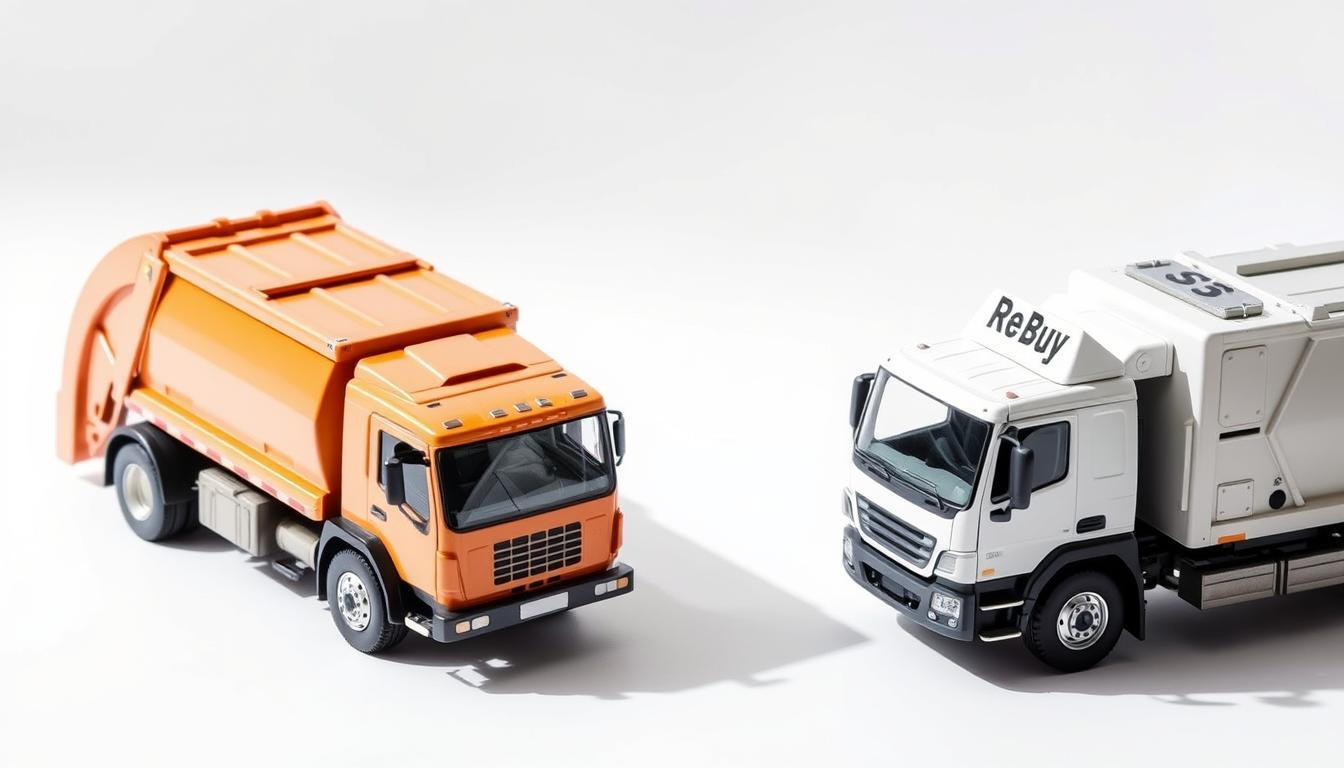
Rental agreements offer predictable monthly expenses. You know exactly what you’ll pay each month without surprises.
Ownership involves loan payments plus maintenance costs. These can vary based on repair needs and part availability.
The flexibility advantage clearly favours renting. You can scale your fleet up or down as business needs change.
Ownership builds equity but lacks adaptability. Your equipment becomes a fixed asset with less operational flexibility.
Maintenance responsibility differs significantly between options. Rental companies handle all repairs and servicing.
Owners must manage their own maintenance schedules. This requires dedicated staff and repair budgets.
Insurance coverage typically comes included with rentals. Liability concerns are minimized through rental agreements.
Owners must secure their own insurance policies. Premiums vary based on vehicle value and operational areas.
Technology upgrades happen automatically with rentals. You always access the latest equipment features.
Ownership requires planned upgrade cycles. You must budget for replacement vehicles every 5-7 years.
Tax implications favor both options differently. Rental payments are fully deductible business expenses.
Ownership offers depreciation benefits over time. You can write off equipment value gradually.
The US rental market expects massive growth. Projections show $37.8 billion by 2025.
New businesses often benefit from rental flexibility. Established companies might prefer ownership savings.
Consider your growth stage and capital availability. There’s no single right answer for every situation.
Analyze your specific operational needs carefully. The best choice balances immediate requirements with long-term goals.
Key Factors Influencing Your South African Operation
Running waste management businesses in South Africa presents unique challenges and opportunities. Local conditions significantly impact operational efficiency and profitability.
Understanding regional dynamics helps optimize your service delivery. Smart operators adapt their strategies to local market conditions.
Gauteng province handles 45% of national waste volumes. This economic hub demands efficient collection services.
Municipal budgets allocate 20-50% to waste management operations. These substantial investments require careful financial planning.
Navigating Local Regulations and Market Trends
Compliance with SATS standards is mandatory for all operators. These regulations ensure environmental protection and service quality.
Environmental laws continue evolving across South Africa. Staying current with legislation prevents costly violations.
Disposal fees vary by location and facility type. Landfill charges impact your overall operational costs.
Economic factors influence waste management decisions throughout the region. Fuel prices and labor costs require constant monitoring.
Local expertise proves invaluable for regulatory compliance. Professional guidance ensures smooth operations.
For immediate assistance with local requirements, call 021 948 4746. Their team understands South African waste management regulations.
Route Optimization and Fleet Management Tips
Smart truck technologies can increase stops by 10% without extra hours. These systems maximize daily collection efficiency.
Route optimization reduces fuel consumption and vehicle wear. Well-planned paths save time and resources.
Advanced GPS tracking enables real-time route adjustments. Dynamic routing adapts to traffic conditions and service requests.
Urban areas demand different strategies than rural locations. Density patterns affect collection frequency and vehicle selection.
Fleet management tips specific to South African conditions include:
- Regular vehicle inspections for rough road conditions
- Driver training for local traffic patterns
- Preventive maintenance schedules adapted to climate
- Fuel management systems for price fluctuations
Proper fleet management ensures reliable service delivery. Efficient operations build strong community relationships.
Location-specific knowledge enhances route planning effectiveness. Local insights improve overall operational performance.
Proactive Strategies for Optimizing Your Operating Budget
Smart budget management separates successful waste management operations from struggling ones. Forward-thinking approaches can significantly reduce expenses while maintaining excellent service quality.
Many businesses overlook simple strategies that yield substantial savings. These methods require initial effort but deliver long-term financial benefits.
Implementing Preventive Maintenance Schedules
Regular maintenance prevents major breakdowns and extends vehicle lifespan. Proper care reduces repair costs by approximately 20% annually.
Create detailed schedules for all fleet vehicles. Include oil changes, brake inspections, and hydraulic system checks.
Document all maintenance activities meticulously. This records help identify patterns and plan future budgets accurately.
Train drivers to perform basic pre-trip inspections. Early problem detection prevents costly roadside repairs.
Exploring Alternative Fuels and Route Planning
Alternative fuels offer both economic and environmental advantages. Compressed natural gas (CNG) and electric vehicles provide substantial long-term savings.
Route optimization minimizes fuel consumption and reduces mileage. Smart planning can increase daily stops by 10% without extra hours.
Consider these fuel options for your fleet:
| Fuel Type | Cost Savings | Environmental Impact | Infrastructure Needs |
|---|---|---|---|
| Diesel | Baseline | Higher emissions | Existing stations |
| CNG | 20-30% savings | Cleaner burning | Specialized fueling |
| Electric | 50-70% savings | Zero emissions | Charging stations |
Driver training programs improve fuel efficiency significantly. Proper acceleration and braking techniques reduce vehicle wear.
Advanced GPS systems enable real-time route adjustments. These technologies help avoid traffic and optimize collection sequences.
Negotiate disposal fees with local facilities regularly. Build strong relationships for better pricing agreements.
Recycling and composting initiatives reduce landfill costs substantially. These programs also generate additional revenue streams.
Implement cost-tracking systems for accurate budget management. Monitor expenses closely to identify saving opportunities.
Technology investments yield impressive operational savings over time. Modern fleet management systems pay for themselves quickly.
Regular budget reviews ensure your strategies remain effective. Adjust your approaches based on performance data and market changes.
Taking the Next Step in Your Waste Management Journey
Ready to elevate your waste management operations with the right vehicle strategy? Professional consultation helps determine the best approach for your specific business needs.
Checkerhire offers comprehensive rental solutions with various truck types. Their support services ensure your company receives perfect equipment matches.
Expert guidance proves invaluable when navigating waste management challenges. These professionals understand South African operational requirements thoroughly.
For immediate assistance, call 021 948 4746 or email info@checkerhire.co.za. Their team provides personalized waste management vehicle support.
Establishing an ongoing relationship with reliable service providers ensures long-term success. Take action today based on your specific operational requirements.