
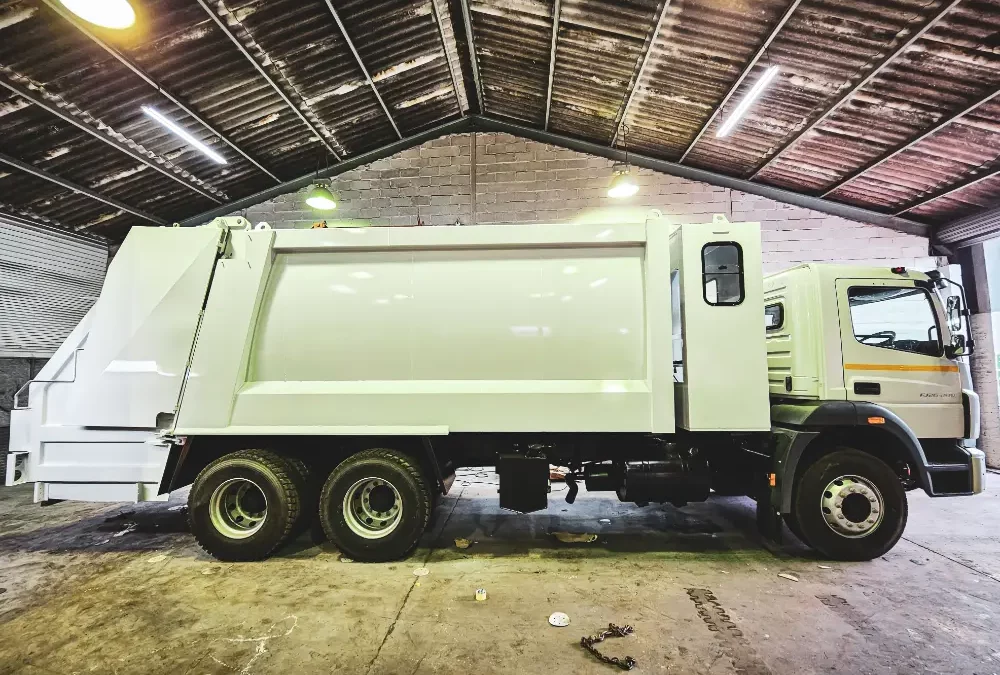
Did you know that choosing the right garbage truck strategy can impact your company’s bottom line by up to 40%? For South African waste management companies, this decision becomes crucial when expanding operations.
The choice between acquiring equipment through rental or purchase affects both daily operations and long-term financial health. Each option offers distinct advantages for different business circumstances.
Monthly rental costs average around $2,000, providing flexibility without large upfront investment. Purchasing requires approximately $60,000 but offers potential savings over time.
Understanding your company’s specific needs and financial situation is essential. There’s no universal answer – the best solution depends on your operational requirements and growth plans.
This analysis will help you make an informed decision that aligns with your waste collection service goals and budget constraints.
Understanding the South African Waste Management Landscape
The South African waste landscape operates under specific economic pressures that shape business decisions. Regional variations create unique challenges for companies managing collection services across different provinces.
Gauteng province handles a massive 45% of the country’s total waste volume. This concentration drives innovation and investment in the region’s waste management infrastructure.
Current Market Trends and Pressures
Municipalities dedicate significant resources to waste services. Budget allocations typically range from 20% to 50% of total municipal spending.
Smart collection technologies are gaining traction across the industry. These advanced systems help optimize routes and improve operational efficiency.
The informal waste sector plays a crucial role in South Africa’s ecosystem. Recognition of its importance continues to grow among formal waste management companies.
Fleet management technology represents a strategic investment area. Modern systems provide real-time data and performance analytics.
Operating collection vehicles costs approximately $180 per hour. This includes fuel, labor, maintenance, and other operational expenses.
Smart truck technologies can significantly boost efficiency. Drivers can complete 10% more stops without working additional hours.
Key Economic Factors Influencing Your Choice
Urban expansion continues to reshape waste management approaches nationwide. Growing cities require adaptable collection strategies and flexible equipment solutions.
The regulatory environment demands strict compliance for all waste vehicles. Meeting these standards requires either modern equipment or significant upgrade investments.
Economic pressures affect decisions about fleet acquisition. Companies must balance immediate needs with long-term financial planning.
Operational costs should guide your equipment strategy. Understanding hourly expenses helps determine the most cost-effective approach for your specific situation.
Technology access becomes increasingly important for competitive service delivery. Modern systems provide efficiency gains that impact overall profitability.
The Core Financial Comparison: Renting vs. Buying
Understanding the true cost of refuse collection vehicles goes far beyond the initial price tag. Smart financial planning requires looking at both immediate expenses and long-term implications.
Each approach offers different financial advantages. The right choice depends on your company’s cash flow, growth plans, and operational requirements.
Breaking Down the Initial Investment
The upfront financial commitment varies significantly between acquisition methods. Rental arrangements typically require minimal initial investment.
Monthly rental fees average around $2,000 per vehicle. This provides immediate access to equipment without large capital expenditure.
Purchasing requires approximately $60,000 upfront. Financing options are available, but this represents a substantial initial investment.
Many companies find rental agreements easier to budget. Predictable monthly costs help with financial planning and cash flow management.
Analyzing Long-Term Total Cost of Ownership
The five-year financial picture reveals important differences between options. Purchased vehicles with financing typically total around $72,000 over this period.
Maintenance represents a significant ongoing expense for owned equipment. Annual costs range between $15,000 and $25,000 per vehicle.
Effective maintenance planning can reduce repair expenses by approximately 20%. This requires dedicated resources and expertise.
Rental agreements often include comprehensive service packages. These cover most maintenance needs, simplifying budget forecasting.
Depreciation affects the value of owned equipment over time. This financial factor should be considered in long-term planning.
Tax benefits differ between acquisition methods. Both rental expenses and equipment purchases offer potential deductions.
| Financial Aspect | Rental Option | Purchase Option |
|---|---|---|
| Initial Investment | ~$2,000/month | ~$60,000 |
| 5-Year Total Cost | ~$120,000 | ~$72,000 (financed) |
| Maintenance Responsibility | Often included | Owner responsibility |
| Annual Maintenance Cost | Typically covered | $15,000-$25,000 |
| Depreciation Impact | Minimal | Significant |
| Tax Considerations | Operational expense | Capital investment |
| Flexibility | High | Low |
Different business sizes approach this decision uniquely. Smaller operations often prefer rental flexibility, while larger companies may benefit from purchase economies.
Calculating return on investment requires considering all factors. Both time and money play crucial roles in determining the best approach.
The optimal choice balances immediate needs with long-term goals. Your specific operational requirements should guide this important decision.
Why Renting Garbage Trucks Offers Unmatched Flexibility
Modern waste management companies face constant market changes. Equipment flexibility becomes a strategic advantage in this dynamic environment.
Rental arrangements provide exceptional adaptability for growing operations. This approach helps businesses respond quickly to new opportunities.
Scaling Your Fleet for Acquisitions and Growth
Business expansion often requires additional vehicles quickly. Rental agreements allow immediate scaling without long-term commitments.
You can add equipment for specific projects or seasonal demands. This preserves capital for other critical business investments.
The global truck rental market demonstrates this growing trend. Projections indicate it will reach $37.8 billion by 2025.
South African companies benefit from this flexible approach. It supports rapid response to municipal contract opportunities.
Access to New Technology Without Major Capital Outlay
Modern waste collection requires advanced equipment features. Rental options provide access to the latest innovations.
You can test different vehicle types and configurations. This helps determine the best fit for your operational needs.
Rental companies maintain diverse equipment inventories. Options include roll-off, front-load, and rear-load models.
This approach eliminates concerns about equipment depreciation. It also reduces maintenance responsibilities and costs.
Strategic resource allocation becomes easier with rental flexibility. Businesses can preserve borrowing power for other investments.
Tailored agreement terms match specific project durations. This creates financial predictability while maintaining operational agility.
Many South African waste management companies successfully use this model. It supports sustainable growth during expansion phases.
The Strategic Advantages of Buying Your Fleet
Many established South African waste management companies discover that equipment ownership provides significant strategic benefits. This approach transforms vehicles from operational tools into valuable business assets.
Ownership creates tangible value on your company balance sheet. Each vehicle becomes an asset that grows your business equity over time.
Building Equity and Company Assets
Every payment on your equipment loan builds real company value. Once financing completes, you own valuable assets free and clear.
These assets provide excellent financial leverage opportunities. Banks often accept owned vehicles as collateral for business expansion loans.
Tax benefits represent another advantage of ownership. You can claim depreciation deductions on your equipment each year.
Long-term financial savings become apparent after loan completion. Monthly equipment expenses disappear, significantly reducing operational costs.
Unrestricted Customization for Your Specific Needs
Complete modification freedom allows perfect equipment tailoring. You can install specialized features for unique local waste challenges.
Operational independence comes without rental agreement restrictions. Your company controls maintenance schedules and equipment usage completely.
Custom configurations improve service efficiency dramatically. Tailored vehicles handle specific route requirements and waste types better.
Many successful South African companies built equity through fleet ownership. This approach supports sustainable growth and long-term business stability.
| Aspect | Short-Term Impact | Long-Term Benefit |
|---|---|---|
| Financial Equity | Loan payments build assets | Full ownership after financing |
| Tax Advantages | Immediate depreciation deductions | Ongoing tax benefits |
| Customization | Immediate modification ability | Perfectly tailored equipment |
| Operational Control | Complete scheduling freedom | Optimized service delivery |
| Financial Leverage | Collateral for other investments | Business expansion opportunities |
| Cost Structure | Monthly loan payments | No equipment expenses after payoff |
The purchase option works particularly well for established operations. Companies with predictable growth patterns benefit most from this approach.
Your specific operational needs should guide this important decision. Consider both immediate requirements and long-term business goals.
Navigating Maintenance Responsibilities and Costs
Keeping your collection vehicles running smoothly requires careful planning and budgeting. Maintenance management plays a crucial role in your overall operational success.
Different acquisition methods bring varying maintenance responsibilities. Understanding these differences helps you make the best choice for your company.
The True Cost of Ownership: Repairs and Servicing
Owning your equipment means handling all maintenance needs directly. Annual costs typically range between $15,000 and $25,000 per vehicle.
These expenses cover several essential services:
- Regular mechanical inspections and safety checks
- Replacement of worn parts and components
- Unexpected repair work from breakdowns
- Routine servicing and fluid changes
Effective maintenance planning can reduce repair costs by approximately 20%. This requires dedicated staff and proper scheduling systems.
Many South African companies develop detailed maintenance calendars. This proactive approach prevents costly downtime and extends equipment life.
How Rental Agreements Simplify Maintenance Management
Rental arrangements often include comprehensive service packages. These cover most routine maintenance needs through the rental company.
This approach offers significant administrative benefits. Your team can focus on core operations rather than maintenance coordination.
Service packages typically include:
- Scheduled inspections and servicing
- Emergency repair coverage
- Parts replacement and labor costs
- Preventative maintenance programs
This model provides predictable maintenance expenses. You avoid unexpected repair bills that can strain your budget.
| Maintenance Aspect | Ownership Responsibility | Rental Agreement Coverage |
|---|---|---|
| Routine Servicing | Company manages and pays | Typically included |
| Unexpected Repairs | Company covers all costs | Often covered by agreement |
| Parts Replacement | Company purchases parts | Usually provided by rental company |
| Scheduling | Company coordinates | Managed by service provider |
| Cost Predictability | Variable expenses | Fixed monthly costs |
| Administrative Work | Significant paperwork | Minimal company involvement |
| Downtime Management | Company responsibility | Often includes backup vehicles |
Maintenance considerations should factor heavily into your acquisition decision. Both options offer different advantages for various business situations.
South African waste management companies should evaluate their maintenance capabilities. Choose the option that matches your resources and operational needs.
Proper maintenance ensures reliable service delivery to your communities. It also protects your investment in equipment and operations.
Operational Flexibility and Route Management
Adapting quickly to changing conditions separates successful waste management companies from the rest. Your ability to respond to new opportunities and challenges directly impacts service quality and customer satisfaction.
Flexible fleet management strategies help South African businesses navigate seasonal changes and unexpected situations. This approach keeps operations running smoothly regardless of external factors.
Adapting to Seasonal Demand and New Contracts
Seasonal variations significantly impact waste collection volumes across South Africa. Holiday periods and summer months often see increased service demands.
Flexible arrangements allow quick scaling of your equipment resources. You can add vehicles during peak periods without long-term financial commitments.
New municipal contracts sometimes require immediate equipment availability. Rental solutions provide access to appropriate vehicles within days rather than months.
Testing new service areas becomes financially manageable with short-term agreements. You can explore expansion opportunities without major capital investment.
Route optimization benefits from having the right equipment for each specific need. Different collection areas may require specialized vehicle configurations.
Emergency Backup Solutions for Unplanned Downtime
Equipment breakdowns can disrupt service delivery and damage customer relationships. Having backup solutions ready prevents these operational challenges.
Specialized providers offer quick replacement vehicles for emergency situations. This minimizes service interruptions during unexpected maintenance issues.
Municipal fleet leasing services provide immediate access to alternative equipment. These arrangements ensure continuous operation during critical periods.
Developing contingency plans helps your business maintain reliable service. Prepared companies handle unexpected challenges more effectively.
| Situation | Flexibility Challenge | Operational Solution |
|---|---|---|
| Seasonal Peak Demand | Increased collection requirements | Short-term additional vehicles |
| New Contract Award | Immediate equipment needs | Quick access to specialized fleet |
| Vehicle Breakdown | Service interruption risk | Emergency replacement options |
| Market Testing | Uncertain service demand | Trial period arrangements |
| Route Changes | Different equipment requirements | Configurable vehicle options |
| Maintenance Periods | Scheduled downtime | Temporary replacement vehicles |
South African waste management companies benefit from these flexible approaches. They can maintain excellent service standards while managing operational risks effectively.
The right strategy depends on your specific operational requirements and growth plans. Consider both immediate needs and long-term business objectives when making decisions.
Technology Access and Equipment Updates
South African waste management companies face exciting opportunities with modern refuse collection technology. The latest innovations can transform how businesses operate and serve their communities.
Choosing the right approach to access these technologies makes a significant difference. Each method offers unique advantages for different operational situations.
Specialized providers maintain cutting-edge fleets with the newest features. This gives companies immediate access to advanced systems without major capital investment.
Staying Compliant with the Latest Standards
Environmental regulations continue to evolve across South Africa. Modern equipment helps businesses meet these changing requirements easily.
Newer models feature improved emission control systems. These systems reduce environmental impact while maintaining operational efficiency.
Safety standards receive regular updates from regulatory bodies. Current vehicles incorporate these enhancements directly from manufacturers.
Rental arrangements provide natural compliance through regular fleet rotation. Companies always operate equipment that meets current standards.
This approach eliminates costly upgrade projects for older vehicles. Businesses can focus resources on core operations instead.
Leveraging GPS and Route Optimization Tech
Advanced navigation systems represent game-changing technology for collection services. These tools help drivers complete routes more efficiently.
Real-time tracking allows managers to monitor vehicle locations instantly. This improves response times for unexpected situations.
Route optimization software analyzes multiple factors simultaneously. It considers traffic patterns, collection points, and service requirements.
Smart systems can increase daily stops by approximately 10%. Drivers achieve more without working additional hours.
Fuel efficiency improves significantly with optimized routing. Reduced mileage translates directly into cost savings.
| Technology Feature | Operational Impact | Financial Benefit |
|---|---|---|
| GPS Tracking Systems | Real-time location monitoring | Improved response efficiency |
| Route Optimization | 10% more daily stops | Reduced fuel expenses |
| Automated Collection | Faster service completion | Labor cost reduction |
| Fuel-Efficient Design | Lower consumption rates | Significant savings over time |
| Safety Enhancements | Reduced accident risk | Lower insurance costs |
| Emission Controls | Regulatory compliance | Avoided penalty expenses |
Automated collection mechanisms represent another valuable innovation. These systems reduce physical labor requirements for crews.
Enhanced safety technologies protect both workers and the public. Modern features include improved visibility and collision avoidance systems.
South African companies should evaluate their specific technological requirements. The right approach depends on individual operational needs and growth plans.
Access to advanced systems can significantly improve service quality. It also enhances competitive positioning in the market.
Contract Terms and Legal Considerations
Legal agreements for waste collection equipment require careful attention to detail. South African companies must understand both contractual obligations and regulatory requirements before signing any documents.
These documents protect both parties while establishing clear operational guidelines. Proper review prevents unexpected issues during your service operations.
Understanding Rental Agreement Fine Print
Standard rental contracts typically feature three-year minimum commitments. These agreements include specific mileage limitations that affect your operational flexibility.
Maintenance responsibility allocation varies between providers. Some include full service coverage while others require customer contributions.
Automatic renewal clauses represent important considerations. Many agreements continue unless formally canceled within specified timeframes.
Early termination penalties can be substantial. Understanding these costs helps avoid unexpected financial obligations.
Insurance requirements differ between rental companies. Most mandate specific coverage levels for their equipment.
Navigating Financing Options for Purchase
Traditional bank loans offer competitive interest rates for established businesses. These typically require strong credit history and business financials.
Lease-to-own arrangements provide gradual ownership transition. This approach combines rental flexibility with eventual purchase benefits.
Specialized equipment lenders understand waste management needs. They often offer tailored terms for refuse vehicle acquisitions.
Manufacturer direct financing programs feature attractive rates. These options sometimes include extended warranty coverage.
The National Environmental Management: Waste Act guides South African operations. Compliance ensures legal operation of your collection services.
| Financing Type | Key Features | Best For |
|---|---|---|
| Bank Loans | Competitive rates, established terms | Companies with strong credit |
| Lease-to-Own | Gradual ownership, flexible terms | Growing operations |
| Equipment Financing | Industry-specific terms | Specialized vehicle needs |
| Manufacturer Programs | Attractive rates, warranty options | New equipment purchases |
Negotiation creates opportunities for better contract terms. Both rental and purchase agreements offer flexibility through discussion.
Legal review ensures compliance with local regulations. Professional advice protects your company’s interests effectively.
South African waste management companies benefit from thorough contract understanding. This approach supports sustainable business growth and operational stability.
Assessing Risk and Insurance Requirements
Smart risk management protects your South African waste collection service from unexpected challenges. Understanding insurance needs helps your company operate with confidence and security.
Different equipment strategies bring unique risk profiles. Your approach should match your operational style and financial comfort level.

Mitigating Operational Risks in Waste Management
Collection operations face several important risk areas. Vehicle accidents represent a primary concern for all companies.
Cargo damage risks affect service quality and customer satisfaction. Environmental liability requires special attention in waste transportation.
Worker safety remains a top priority for successful operations. Proper training and equipment reduce accident risks significantly.
Insurance premiums vary based on multiple factors. Company size and location influence coverage costs.
The type of waste transported affects policy pricing. Previous accident history impacts premium calculations.
Vehicle specifications play a role in risk assessment. Newer models often qualify for better rates.
Insurance Strategies for Owned vs. Rented Vehicles
Rental arrangements often include complete coverage packages. This eliminates the need for individual policy management.
These comprehensive plans reduce administrative burden significantly. Your company benefits from simplified insurance handling.
Ownership requires separate policy arrangements. You must secure appropriate coverage levels independently.
Typical insurance needs include several essential protections:
- Auto liability coverage for accident protection
- Physical damage insurance for equipment repair
- Motor truck cargo coverage for load protection
- General liability for broader operational risks
Rental companies handle most compliance requirements automatically. This ensures proper adherence to South African regulations.
Owned fleets require careful policy management. You must maintain adequate coverage levels consistently.
Environmental liability needs special consideration for waste operations. Proper protection prevents costly cleanup expenses.
Developing risk mitigation strategies protects your business long-term. Both insurance approaches offer different advantages.
Your specific operational needs should guide coverage decisions. Choose the option that provides optimal protection for your situation.
Making the Right Choice for Your Business Future
Your final decision on equipment strategy shapes your company’s growth path. Start with a thorough financial assessment of both upfront and long-term expenses.
Evaluate your current and projected operational needs carefully. Consider technology upgrade cycles and maintenance capabilities when comparing options.
Renting offers flexibility for testing new markets or handling temporary projects. Purchasing builds lasting assets for established operations with predictable growth.
Connect with financial advisors and reputable providers like Checkerhire. They offer personalized guidance at 021 948 4746 or info@checkerhire.co.za.
The optimal choice depends entirely on your specific circumstances and goals. Align your equipment strategy with your overall business vision for success.
FAQ
How does renting a garbage truck help with sudden business growth?
What are the biggest upfront costs when purchasing a refuse truck?
Does renting include maintenance and repair services?
Can I customize a rented waste collection vehicle?
How does equipment technology factor into the rent vs. buy decision?
What happens if a rented trash truck breaks down?
Are there tax benefits to owning a fleet?
What should I look for in a rental agreement?
Note: Prices and specifications shown are for reference only and may change without notice. For the latest information, please contact Transtech directly on 021 948 4746.