
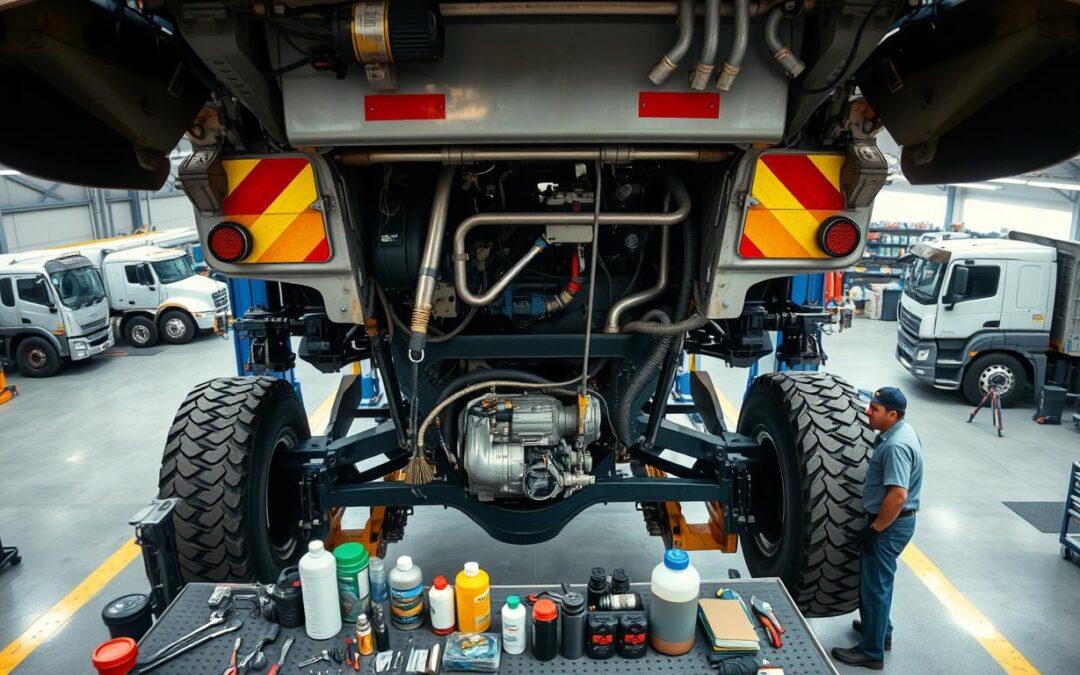
Did you know a single garbage truck in South Africa collects waste from over 1,500 homes every day? These hardworking vehicles are the backbone of urban cleanliness.
Daily routes through tough conditions put immense strain on these machines. Without proper care, small issues can quickly become costly repairs that sideline your vehicle.
Regular maintenance is your best defense against unexpected breakdowns. A well-maintained truck can serve your fleet reliably for many years.
This guide will show you practical solutions to keep your garbage trucks running smoothly. We’ll help you save money and avoid downtime with simple, effective strategies.
Keeping Your Fleet Rolling: Why Garbage Truck Maintenance Matters
Your waste collection vehicles represent a massive investment. Each heavy-duty unit can cost hundreds of thousands of dollars to purchase and equip.
Protecting this investment requires smart management. A proactive approach prevents small problems from becoming major headaches.
Consider the experience in Columbus, Georgia. Their annual repair expenses jumped from $600,000 to over $2 million as vehicles aged.
This shows how quickly costs can spiral without proper care. Older trucks demand more attention to stay roadworthy.
Daily inspection checklists help drivers spot trouble early. They can identify potential issues before they cause damage or safety hazards.
These simple checks protect your entire operation. They ensure compliance with regulations and keep your service reliable.
Here’s how maintenance costs typically increase as vehicles age:
| Vehicle Age (Years) | Annual Maintenance Cost | Common Issues |
|---|---|---|
| 0-3 | Low | Minor adjustments, fluid changes |
| 4-7 | Moderate | Component wear, system checks |
| 8+ | High | Major repairs, part replacements |
A well-maintained fleet operates more efficiently. It reduces downtime and keeps your waste collection service running smoothly.
Regular care extends vehicle lifespan significantly. It’s the smartest way to protect your investment and serve your community.
Addressing Common Repairs for Garbage Trucks: Hydraulic System Failures
The hydraulic system powers essential functions in waste collection vehicles. It operates compactors, lifts containers, and manages heavy loads efficiently.
When this system fails, your daily operations face serious challenges. Quick identification and repair keep your fleet moving smoothly.
Identifying Hydraulic Problems: Leaks, Low Pressure, and Weak Performance
Spotting issues early prevents major breakdowns. Look for visible fluid leaks around hoses and connections.
Low system pressure often shows as weak compaction or slow lifting action. You might notice the vehicle struggling with normal loads.
Worn seals and damaged components cause most problems. Bent cylinder rods can tear seals, leading to fluid loss.
Check fluid levels regularly using the dipstick or sight glass. Dark or contaminated fluid indicates needed maintenance.
Step-by-Step Solutions: From Fluid Checks to Seal Replacements
Begin with a visual inspection of all hydraulic lines. Look for wet spots, drips, or damaged hoses.
Check and maintain proper fluid levels using high-quality hydraulic fluid. Contaminated or old fluid reduces system efficiency.
Replace worn seals and damaged components promptly. This prevents small issues from becoming major failures.
For rear loader models, pay special attention to cylinder rods. Inspect them for bending or wear that could damage seals.
Regular filtration checks keep the hydraulic system clean. Clean fluid extends the life of all components.
Prompt attention to hydraulic issues saves time and money. It ensures your vehicle remains reliable for daily routes.
Stopping Power: Troubleshooting Brake System Issues
Your vehicle’s stopping ability is its most critical safety feature during daily collection routes. Constant stopping and starting in urban environments creates significant wear on braking components.
Proper maintenance ensures your brakes respond effectively when needed most. This protects your drivers, equipment, and the communities you serve.
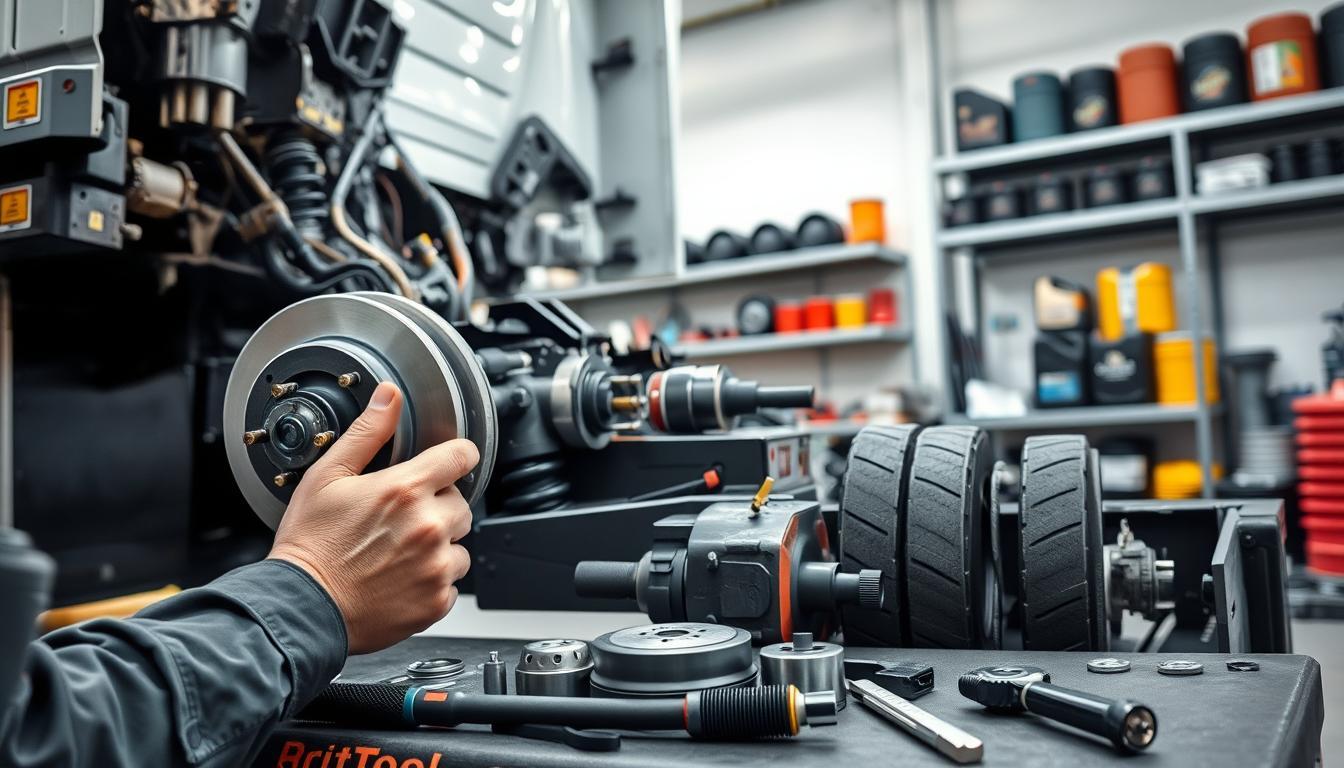
Recognizing the Signs of Worn Brakes and Air System Leaks
Listen for unusual grinding or squealing sounds during braking. These noises often indicate worn pads or damaged components.
Reduced stopping power requires immediate attention. You might notice longer stopping distances or a soft pedal feel.
Check for air leaks in the system regularly. Hissing sounds or pressure drops signal potential problems.
Monitor brake fluid levels during routine inspections. Low levels can indicate leaks or excessive wear.
Maintaining Your Brakes: Pad Replacement and Fluid Flushing
Inspect brake pads during scheduled service intervals. Replace them when thickness falls below manufacturer specifications.
Flush brake fluid according to recommended schedules. Fresh fluid maintains proper hydraulic pressure and control.
Examine air dryers and valves for dirt accumulation. Clean components prevent contamination and ensure system reliability.
Check all connections for tightness and condition. Proper sealing maintains air pressure and braking efficiency.
Regular brake maintenance prevents accidents and ensures operational safety. It keeps your vehicles performing reliably through demanding routes.
| Component | Inspection Frequency | Action Required | Safety Impact |
|---|---|---|---|
| Brake Pads | Monthly | Replace if worn below 3mm | Critical stopping power |
| Brake Fluid | Every 6 months | Flush and replace | Hydraulic pressure maintenance |
| Air System | Weekly | Check for leaks, clean valves | System pressure control |
| Connections | Daily visual check | Tighten if loose, replace if damaged | Prevents sudden failure |
Consistent attention to your brake systems ensures they remain in optimal condition. This proactive approach minimizes unexpected repairs and maintains route efficiency.
Engine and Transmission Performance Problems
Engine and transmission troubles can quickly turn your reliable vehicle into a costly liability. These critical systems work together to power your daily routes through demanding conditions.
When performance suffers, fuel costs rise and schedules get disrupted. Early detection keeps your operation running smoothly.
Diagnosing Power Loss, High Fuel Use, and Shifting Difficulties
Notice your vehicle struggling on hills or accelerating slowly? This power loss often points to clogged air filters or fuel system issues.
Rising fuel bills without increased mileage suggest efficiency problems. Dirty injectors or ignition components could be the cause.
Transmission troubles show as rough shifting or slipping gears. Low fluid levels or overheating often create these performance issues.
Unusual noises during gear changes indicate internal wear. Addressing these signs early prevents major damage.
Fixing the Issue: Filters, Fluids, and Component Inspections
Start with regular air filter replacement. Clean airflow maintains engine efficiency and power output.
Check and change oil according to manufacturer schedules. Fresh lubricant reduces internal wear on critical components.
Inspect transmission fluid for proper level and condition. Discolored or burnt-smelling fluid signals needed service.
Examine fuel filters and injectors for contamination. Clean systems ensure optimal combustion and fuel economy.
Regular maintenance checks prevent most performance problems. They extend your powertrain’s lifespan and maintain reliability.
Keep cooling systems clean and functional. Proper temperature control protects both engine and transmission from heat-related damage.
Electrical Gremlins and Sensor Malfunctions
Modern waste collection vehicles rely heavily on electrical systems for daily operations. These complex networks power everything from ignition to automated lifting mechanisms.
When electrical problems strike, they can cause frustrating and unpredictable behavior. Quick identification and resolution keep your vehicles running reliably.
Spotting Faulty Wiring, Dead Batteries, and Erratic Controls
Watch for warning signs during daily operations. Difficulty starting often points to battery or connection problems.
Check for flickering lights or intermittent sensor errors. These issues frequently stem from corroded connectors or damaged wiring.
Listen for unusual electrical sounds during operation. Buzzing or clicking can indicate relay or switch problems.
Test all dashboard warning lights during pre-trip inspections. Malfunctioning indicators mask underlying electrical issues.
Ensuring Electrical Reliability: Connection Cleaning and Testing
Begin with regular battery terminal maintenance. Clean corrosion using a baking soda solution and wire brush.
Test battery voltage during routine service intervals. Weak batteries strain the entire electrical system.
Inspect all visible wiring for wear or damage. Replace frayed insulation promptly to prevent short circuits.
Check fuse panels for blown protection devices. Always replace with identical amperage ratings.
Modern vehicles require sensor calibration checks. Ensure safety systems and automation function correctly.
Regular electrical maintenance prevents unexpected downtime. It ensures all controls respond properly during collection routes.
| Electrical Component | Inspection Frequency | Maintenance Action | Performance Impact |
|---|---|---|---|
| Battery & Terminals | Weekly | Clean, test voltage | Starting reliability |
| Wiring Connections | Monthly | Check for corrosion, tightness | System consistency |
| Fuses & Relays | Quarterly | Test, replace as needed | Circuit protection |
| Sensors & Controls | Pre-trip check | Verify proper operation | Safety and automation |
Consistent electrical checks protect your investment. They maintain optimal vehicle performance through demanding daily use.
Handling the Load: Suspension, Steering, and Tire Wear
Your collection vehicle’s suspension and steering systems face constant stress from heavy daily loads. These components work together to maintain control and stability during demanding routes.
Proper maintenance ensures smooth operation and extends component lifespan. It also improves driver comfort and reduces operating costs.

How Heavy Loads Impact Steering and Cause Uneven Tire Wear
Constant heavy weight places extraordinary strain on your vehicle’s systems. This stress accelerates wear on critical components.
Watch for these warning signs during daily operations:
- Vehicle pulling to one side during straight driving
- Uneven tire wear patterns across multiple wheels
- Excessive bouncing or swaying when loaded
- Difficulty maintaining straight-line direction
Misaligned wheels create drag and resistance. This increases fuel consumption and tire wear rates significantly.
Worn suspension components cannot properly support heavy loads. This leads to bottoming out and reduced stability.
Repair and Prevention: Alignment, Inflation, and Component Checks
Regular maintenance prevents most suspension and steering issues. Follow these steps to keep your systems in optimal condition:
- Check tire pressure before each route using a quality gauge
- Inspect shock absorbers for leaks or damage monthly
- Schedule professional wheel alignment every six months
- Examine steering linkage for wear during service intervals
Proper inflation maintains tire contact with the road surface. It ensures even weight distribution and prevents premature wear.
Alignment adjustments correct steering geometry issues. This improves handling and extends tire life substantially.
Preventive maintenance reduces operating costs and improves safety. It ensures your vehicle handles predictably under all load conditions.
Avoid exceeding manufacturer weight ratings whenever possible. Overloading accelerates component wear and increases repair frequency.
Building a Proactive Maintenance Strategy for Your Fleet
Your drivers serve as the first line of defense against unexpected breakdowns and costly downtime. They interact with your vehicles daily and can spot early warning signs that might escape routine checks.
A proactive approach transforms how your entire operation handles vehicle reliability. It focuses on prevention rather than reaction, saving both time and money.
This strategy involves regular monitoring of all critical systems. It ensures your vehicles remain in optimal working condition throughout their service life.
Implementing Effective Daily Inspection Checklists
Daily checklists provide structure for comprehensive vehicle assessments. They guide your team through all essential components that need verification.
Create customized lists for different vehicle types in your fleet. Include hydraulic systems, electrical connections, and tire conditions.
Digital platforms like Whip Around streamline this process significantly. They allow drivers to complete inspections using mobile devices and report issues instantly.
These tools help fleet managers track maintenance needs across all vehicles. They ensure nothing gets overlooked during busy operational days.
The Role of Driver Training in Early Problem Detection
Well-trained drivers recognize subtle changes in vehicle performance. They notice unusual sounds, smells, or behaviors that indicate potential problems.
Invest in regular training sessions that cover diagnostic basics. Teach them to identify leaks, abnormal vibrations, and warning lights.
Empower your team to report concerns without hesitation. Create a culture where early detection gets rewarded rather than criticized.
Knowledgeable drivers prevent minor issues from becoming major repairs. Their observational skills protect your investment and maintain service reliability.
Consistent training ensures your entire team works toward the same maintenance goals. It builds a shared responsibility for vehicle condition and operational safety.
Maintaining Garbage Trucks in South Africa’s Unique Conditions
South Africa’s diverse landscapes present special challenges for waste management vehicles. These environmental factors demand customized care approaches.
Local operators must adapt their maintenance routines to handle regional conditions. This ensures reliable service despite challenging operating environments.
Combating Challenges from Dust, Rough Roads, and Harsh Weather
Dust accumulation poses serious threats to vehicle systems. Fine particles can infiltrate engines and hydraulic components.
Rough terrain accelerates wear on suspension and steering parts. Potholes and uneven surfaces test every mechanical connection.
Extreme weather conditions vary across regions. Some areas face intense heat while others experience heavy rainfall.
These elements combine to create demanding operating conditions. They require more frequent attention to prevent premature failure.
Adapting Your Maintenance Schedule for Long-Term Reliability
Increase washing frequency to combat dust accumulation. Pay special attention to undercarriages where debris collects.
Replace air filters more often than standard recommendations. Dirty filters restrict airflow and reduce engine efficiency.
Monitor brake systems closely due to constant dust exposure. Check for abrasive material that accelerates lining wear.
Inspect tires frequently for damage from rough roads. Look for cuts, bulges, and uneven wear patterns.
Customized maintenance intervals protect your investment. They account for local conditions that standard schedules might miss.
| Environmental Factor | Affected Components | Adapted Maintenance | Inspection Frequency |
|---|---|---|---|
| Dust & Dirt | Air filters, engine components | Enhanced cleaning, early replacement | Weekly |
| Rough Roads | Suspension, tires, steering | Intensified inspections, alignment checks | Bi-weekly |
| Extreme Heat | Cooling system, fluids | Temperature monitoring, fluid changes | Monthly |
| Heavy Rainfall | Electrical systems, brakes | Moisture protection, corrosion prevention | After storms |
These adaptations help vehicles withstand local challenges. They maintain operational readiness despite environmental stresses.
Proper care extends functional years despite tough conditions. Your fleet remains reliable for community waste service.
Regular assessments ensure maintenance meets actual needs. Adjust schedules based on observed component condition.
Ensuring Your Garbage Trucks Serve You for Years to Come
Investing in proper vehicle upkeep today pays dividends through extended service life and reduced operational costs. A proactive maintenance approach keeps your fleet running smoothly for many years.
Regular servicing and driver training prevent most issues before they become costly repairs. Adapting your strategy to local conditions ensures reliable service in South Africa’s unique environment.
Partnerships with maintenance-focused companies provide valuable support for your operation. They offer reliable equipment and expertise when you need additional assistance.
Implement these strategies to maintain continuous community service. Your well-cared-for vehicles will effectively serve neighborhoods long-term.
FAQ
What are the most common issues with garbage truck hydraulic systems?
How can I tell if my garbage truck’s brakes need service?
What causes engine power loss and high fuel consumption in these trucks?
How do I handle electrical issues like dead batteries or faulty sensors?
Why do garbage trucks experience uneven tire wear and steering problems?
What should a daily inspection checklist include for garbage trucks?
How does operating in tough conditions, like dust or rough roads, affect maintenance?
Note: Prices and specifications shown are for reference only and may change without notice. For the latest information, please contact Transtech directly on 021 948 4746.