
Cost of Concrete Pump Hire
The cost of concrete pump hire is an important factor when planning any construction project. Whether you are building a house, pouring a driveway, constructing a warehouse floor, or completing a commercial development, understanding the expected costs of concrete pumping helps you plan your project budget more accurately.
Concrete pumping allows contractors to place concrete quickly and efficiently. Instead of transporting concrete manually using wheelbarrows or cranes, a pump moves the material directly from the mixer truck to the area where it must be placed. This saves time, reduces labour, and improves placement accuracy.
The cost of concrete pump hire varies depending on several factors such as the type of pump, the size of the project, the location of the site, and the amount of time the pump is required. Understanding these factors will help you estimate the likely costs before booking a pump.
This guide explains how concrete pump hire pricing works, the main factors that affect cost, typical price ranges in South Africa, and how to plan your project to avoid unnecessary expenses.
Why Concrete Pump Hire Is Worth the Cost
At first glance, hiring a concrete pump may appear expensive compared to moving concrete manually. However, when you consider the overall project costs, pumping often saves money.
Concrete pumps reduce the number of workers required to move concrete across a site. They also allow concrete to be placed much faster, which shortens construction schedules.
Some of the main advantages that justify the cost of concrete pump hire include:
-
Faster concrete placement
-
Reduced labour requirements
-
More accurate concrete placement
-
Ability to reach difficult locations
-
Reduced project delays
Large construction projects almost always use concrete pumps because the efficiency gained often outweighs the hire cost.
Average Cost of Concrete Pump Hire in South Africa
Concrete pump hire prices vary between companies and regions, but the following ranges provide a general guide for South African construction projects.
Line pump hire costs
Line pumps are usually the most affordable option. They are commonly used for residential construction projects such as driveways, house slabs, swimming pools, and small foundations.
Typical line pump hire costs:
-
R1,800 to R3,500 per hour
-
Minimum hire period of 3 to 4 hours
-
Delivery fees may apply depending on distance
Line pumps are suitable for smaller pours and locations where access is limited.
Boom pump hire costs
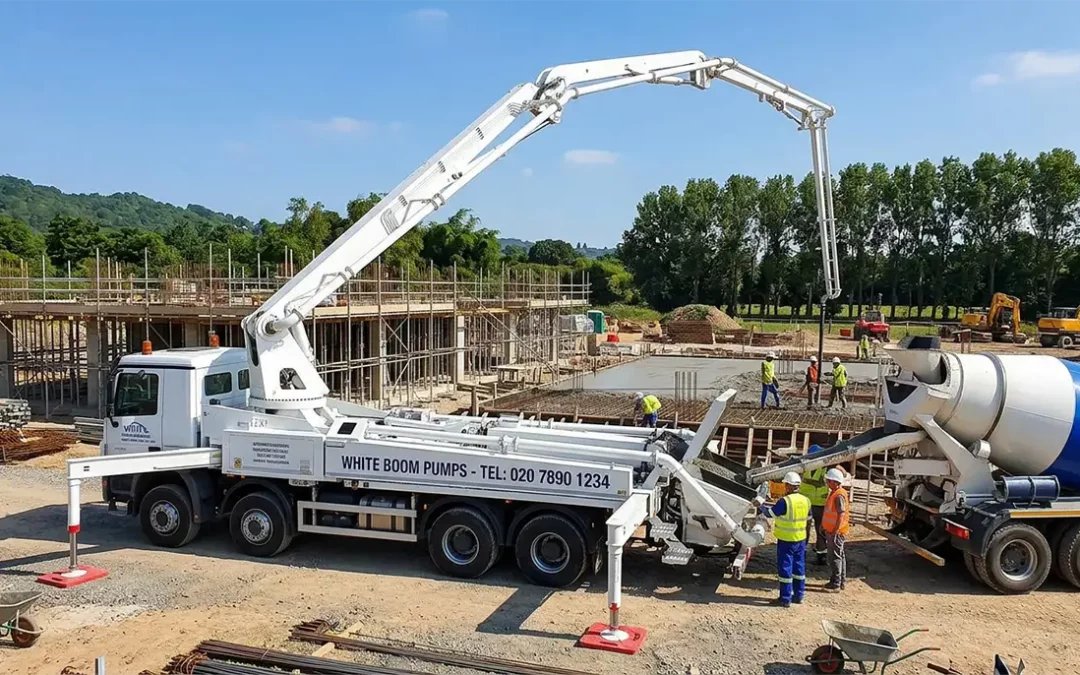
Boom pumps are larger machines mounted on trucks with a hydraulic arm that places concrete at height or across large areas.
Typical boom pump hire costs:
-
R3,500 to R7,500 per hour depending on boom size
-
Minimum hire period of 3 to 5 hours
-
Transport fees may apply
Boom pumps are commonly used on commercial construction sites, multi-storey buildings, and large slab pours.
Trailer pump hire costs
Trailer pumps fall between line pumps and boom pumps in terms of cost.
Typical trailer pump hire costs:
-
R2,500 to R4,500 per hour
-
Minimum hire periods usually apply
-
Additional pipeline charges may apply
Trailer pumps are often used for medium-sized construction projects or sites requiring long pipeline distances.
Minimum Hire Charges
Concrete pump hire companies usually require a minimum booking period.
This minimum charge covers:
-
Equipment setup
-
Pump transport to the site
-
Operator time
-
Cleaning after the job
Typical minimum hire times range from:
-
3 hours for small line pumps
-
4 to 5 hours for boom pumps
Even if the pumping job takes less time, the minimum hire charge normally still applies.
Factors That Affect the Cost of Concrete Pump Hire
The final cost of concrete pump hire depends on several project-specific factors.
Type of pump required
The type of pump used is one of the biggest factors affecting cost.
Boom pumps cost more because they are larger machines with longer reach capabilities. Line pumps and trailer pumps usually cost less.
Pump size and boom length
Boom pumps come in various sizes, including:
-
24 metre boom
-
32 metre boom
-
36 metre boom
-
42 metre boom
-
52 metre boom
Larger booms allow concrete to reach higher or further, but they also increase hire costs.
Length of pumping distance
Projects that require long pipelines may increase the cost of pumping.
Additional pipe sections, hoses, and labour may be required to connect the delivery system.
Duration of pumping
The longer the pump operates, the higher the overall hire cost.
Large projects that require many hours of pumping will cost more than small residential pours.
Distance to the job site
Transporting the pump to the construction site can add additional fees.
Sites located far from the pump supplier may incur higher delivery charges.
Site accessibility
If a construction site has limited access or requires complex pump positioning, setup time may increase. This can add to the total cost of the job.
Concrete supply coordination
Concrete pumps rely on continuous supply from ready-mix trucks.
If trucks arrive late or delays occur during the pour, the pump may remain idle while still charging hourly rates.
Proper planning helps avoid unnecessary costs.
Additional Charges That May Apply
In addition to the base hire rate, some additional charges may apply depending on the project.
Common additional charges include:
-
Pump transport fees
-
Extra pipeline hire
-
Cleaning charges if pumping stops early
-
Waiting time charges
-
Overtime charges for long pours
Before hiring a concrete pump, it is important to ask the supplier for a clear cost breakdown.
Cost Comparison: Pumping vs Manual Concrete Placement
Some builders consider moving concrete manually to avoid the cost of hiring a pump. However, manual transport often results in higher labour costs and slower construction progress.
A basic comparison illustrates the difference.
| Method | Advantages | Disadvantages |
|---|---|---|
| Concrete pumping | Fast placement, fewer workers required, accurate delivery | Equipment hire cost |
| Manual placement | No pump hire cost | High labour cost, slower placement, more physical effort |
For large pours, pumping is almost always more efficient and economical.
How to Reduce Concrete Pump Hire Costs
Although pump hire is necessary for many projects, several strategies can help reduce overall costs.
Plan the concrete pour carefully
Make sure the formwork, reinforcement, and pour area are fully prepared before the pump arrives.
Delays during pumping increase hire time and cost.
Schedule ready-mix deliveries correctly
Concrete trucks should arrive at regular intervals so the pump can operate continuously.
If the pump runs out of concrete, pumping must stop while the operator waits for the next truck.
Choose the correct pump type
Selecting the right pump for the project can reduce unnecessary expenses.
For example, a line pump may be sufficient for small residential pours, while a boom pump may be required for large slabs.
Position the pump strategically
Placing the pump as close as possible to the pour area reduces the amount of pipeline required.
Shorter pipelines improve pumping efficiency and reduce equipment costs.
Work with experienced contractors
Experienced contractors understand how to coordinate concrete deliveries and pumping operations efficiently.
This reduces the risk of delays and additional costs.
Concrete Pump Hire for Different Types of Projects
The cost of concrete pumping varies depending on the type of construction project.
Residential projects
Typical residential uses include:
-
House foundations
-
Driveways
-
Swimming pools
-
Boundary walls
-
Garden slabs
These projects often use line pumps because they are more affordable.
Commercial construction
Commercial construction projects require larger volumes of concrete.
Examples include:
-
Shopping centres
-
Office buildings
-
Parking structures
-
Warehouses
Boom pumps are commonly used for these projects due to their reach and pumping capacity.
Infrastructure projects
Infrastructure projects often involve extremely large concrete pours.
Examples include:
-
Bridges
-
Tunnels
-
Water treatment plants
-
Road construction
These projects typically require high-capacity boom pumps and extended pumping times.
Why Concrete Pump Hire Is Common in Modern Construction
Concrete pumping has become standard practice in the construction industry because it improves efficiency and productivity.
Projects can complete large concrete pours faster, reduce labour costs, and achieve more consistent concrete placement.
Even smaller residential projects now frequently use pumps because the speed and convenience make the process easier.
Planning Your Concrete Pump Hire
When planning concrete pump hire, contractors should consider several factors before booking the equipment.
Key planning steps include:
-
Estimating the total volume of concrete required
-
Choosing the correct pump type
-
Scheduling ready-mix deliveries
-
Preparing the site before the pump arrives
-
Confirming access for large vehicles
Proper planning helps keep pumping operations efficient and prevents unnecessary delays.
Cost of Concrete Pump Hire Summary
The cost of concrete pump hire depends on several factors, including the type of pump, project size, pumping distance, and hire duration.
In South Africa, typical price ranges include:
-
Line pump hire: approximately R1,800 to R3,500 per hour
-
Trailer pump hire: approximately R2,500 to R4,500 per hour
-
Boom pump hire: approximately R3,500 to R7,500 per hour
Most pump hire companies require a minimum booking period, and additional charges may apply for transport, pipeline extensions, or waiting time.
Although concrete pump hire involves an equipment cost, the efficiency gained often makes it the most practical solution for modern construction projects.
Pricing Disclaimer
The concrete pump hire prices mentioned in this article are general estimates based on typical construction industry ranges in South Africa.
Actual pricing may vary depending on the project size, pump type, location, equipment availability, and market conditions.
For accurate and up-to-date pricing, you should contact Transtech directly to discuss your project requirements and obtain a current quotation for concrete pump hire.
Note: Prices and specifications shown are for reference only and may change without notice. For the latest information, please contact Transtech directly on 021 948 4746.