
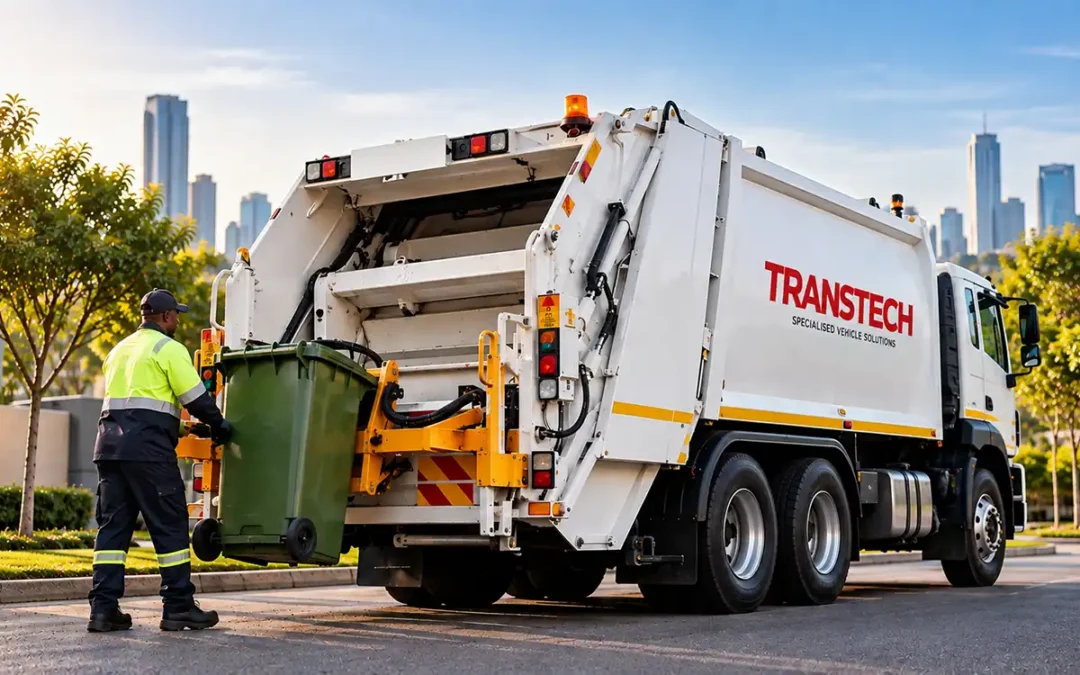
How to Choose the Right Refuse Compactor Truck for Your Waste Collection Operation
Choosing the right refuse compactor truck is an important decision for any municipality, waste management contractor or organisation responsible for collecting and transporting large volumes of waste.
The correct vehicle can improve collection efficiency, reduce unnecessary trips to disposal facilities and help a waste collection operation handle greater volumes of refuse. The wrong configuration, however, can result in inefficient routes, unsuitable loading methods and equipment that does not match the type of waste being collected.
There is no single refuse compactor truck that is suitable for every operation. The best solution depends on factors such as collection routes, waste volumes, container types, loading requirements, vehicle chassis and the environment in which the truck will operate.
This guide looks at the main factors South African buyers should consider when choosing a refuse compactor truck.
What Is a Refuse Compactor Truck?
A refuse compactor truck is a specialised waste collection vehicle designed to collect, compact and transport refuse.
Instead of simply loading loose waste into a conventional truck body, the compaction system compresses the material inside the body. This allows considerably more waste to be transported before the vehicle needs to travel to a landfill, transfer station or other disposal facility.
Refuse compactor trucks are widely used by municipalities, private waste management companies, contractors, commercial operations and industrial facilities.
They can be configured for different collection methods and container systems, which is why selecting the appropriate type of compactor is important.
Start with the Type of Waste Being Collected
One of the first questions to consider is what type of waste the vehicle will normally collect.
Municipal household refuse, commercial waste and industrial waste can have very different characteristics. The volume, density and physical nature of the material influence the type and size of equipment required.
A vehicle predominantly collecting household refuse from residential areas, for example, may have very different operating requirements from a vehicle servicing large commercial containers.
Consider not only the waste being collected today but also how the operation could change during the working life of the vehicle.
If collection volumes are growing or new routes are being introduced, selecting equipment with sufficient capacity for future requirements can help prevent the vehicle from becoming unsuitable too quickly.
Rear Loader or Front Loader Refuse Compactor?
One of the major decisions is whether a rear loader or front loader configuration is better suited to the collection operation.
Rear Loader Refuse Compactors
Rear loader refuse compactors receive waste through the rear of the vehicle.
They are commonly used for municipal and residential refuse collection and can accommodate a variety of collection methods depending on the vehicle’s configuration.
Waste can be loaded into the rear hopper, where the compaction mechanism transfers and compresses the material into the body.
Rear loaders can be particularly useful where collection teams need flexibility across residential, municipal and commercial routes.
Bin lifting equipment can also be incorporated to assist with emptying compatible waste containers.
Front Loader Refuse Compactors
Front loader refuse compactors are designed for applications where larger containers need to be mechanically lifted and emptied into the vehicle.
The lifting mechanism engages with a compatible container, raises it and empties the contents into the compactor body.
This makes front loaders particularly useful for certain commercial and industrial waste collection operations where larger containers are positioned at customer premises.
Neither system is automatically better than the other. The appropriate choice depends primarily on the containers, routes and waste collection method used by the operator.
Consider the Collection Route
A refuse compactor truck spends much of its working life travelling collection routes, so route conditions should play a major role in equipment selection.
A vehicle operating in dense residential areas may need to make frequent stops and negotiate narrow streets, intersections and confined spaces.
A truck working across industrial sites may face different conditions, including larger containers, heavier waste volumes and more space between collection points.
Longer routes can make body capacity particularly important because unnecessary trips to a disposal facility reduce productive collection time.
Consider factors such as road width, traffic conditions, distance between collection points, distance to disposal facilities, number of daily stops and available manoeuvring space.
The objective is not simply to purchase the largest refuse compactor possible. It is to match vehicle size and capacity to the actual operating environment.
Choose the Appropriate Compactor Capacity
Capacity has a direct impact on the productivity of a refuse collection vehicle.
A larger body can potentially allow the truck to remain on its collection route for longer before unloading. However, larger equipment also requires an appropriate chassis and must remain practical for the roads and collection areas where it will operate.
When assessing capacity, operators should look at the amount of waste generated on a typical route rather than considering body size in isolation.
Useful questions include:
- How much refuse is collected per route?
- How many collection points are serviced?
- How quickly does the vehicle reach capacity?
- How far is the disposal or transfer facility?
- How many unloading trips are normally required per shift?
The answers can help establish the most practical combination of body capacity, vehicle size and payload requirements.
Match the Compactor Body to the Truck Chassis
A refuse compactor body and its chassis need to work as an integrated vehicle.
Chassis selection must account for the compactor body, lifting equipment, expected payload and operating conditions.
Factors such as gross vehicle mass, axle loading, wheelbase and chassis configuration can affect the suitability of the completed refuse collection vehicle.
This is one of the reasons specialist technical input is valuable when specifying a new refuse compactor truck.
Rather than selecting a chassis and compactor independently, the complete vehicle should be considered as one working system.
Consider the Bins and Containers Being Collected
The waste containers used along a collection route are another major consideration.
Operations may deal with smaller two-wheeled wheelie bins, larger four-wheeled containers, loose bags or other waste receptacles.
If bins are to be mechanically emptied, the refuse compactor needs a compatible bin lifting system.
Different bin lifters are designed for different container capacities and configurations. The correct lifter can improve productivity while reducing the amount of manual handling required from collection crews.
Transtech supplies a range of bin lifters for different waste collection applications, so the bin-lifting system can be considered as part of the overall vehicle specification.
Think About Daily Collection Volume
The number of bins or collection points serviced during a shift can significantly influence equipment requirements.
A refuse truck working an intensive municipal route may complete hundreds of collection cycles in a day. Reliability and practical loading speed therefore become extremely important.
Small inefficiencies repeated at every collection point can add up to substantial lost time over an entire shift.
When comparing equipment, buyers should consider the complete operating cycle rather than looking only at specifications on paper.
Loading, compaction, travel, unloading and returning to the collection route all contribute to overall productivity.
Compaction Efficiency Matters
The purpose of a compactor is not simply to hold waste. It is to make more efficient use of the available body capacity by compressing the material.
Effective compaction can allow the vehicle to transport a greater quantity of suitable waste before unloading is required.
This can help reduce trips between the collection route and disposal facility, particularly where those facilities are located some distance from the area being serviced.
Actual performance will depend on the type of waste being collected, because different materials respond differently to compaction.
The equipment should therefore be selected according to realistic operating conditions rather than assuming every type of refuse will behave identically.
Reliability and Downtime
A refuse compactor truck is a working asset. When it is unavailable, another vehicle may have to cover its route or collections may be delayed.
Reliability should consequently be a major part of the purchasing decision.
Buyers should consider the construction of the equipment, suitability for the intended workload, maintenance requirements and availability of technical support.
The lowest initial purchase price does not necessarily represent the lowest operating cost over the working life of the vehicle.
Equipment that is correctly specified and properly maintained can provide better long-term value than a vehicle selected primarily on initial price.
Parts and Service Support
Refuse collection vehicles operate mechanical, hydraulic and electrical systems in demanding environments.
Access to service expertise and replacement parts therefore matters throughout the life of the equipment.
Before purchasing a refuse compactor truck, consider who will support the equipment after delivery.
- Can replacement parts be obtained?
- Is technical expertise available?
- Can the equipment be inspected and maintained?
- Is assistance available if a fault occurs?
These questions are particularly important for municipalities and waste contractors where vehicles form part of an active collection fleet.
New, Used or Refurbished Refuse Compactor Trucks
Not every operation has the same budget or procurement requirements.
Depending on availability and the application, buyers may consider new, used or professionally refurbished refuse collection vehicles.
A new vehicle offers the opportunity to specify equipment around particular operational requirements.
Used or refurbished vehicles can provide another option where budgets or fleet replacement programmes require a different approach.
When evaluating a used refuse compactor, however, the condition of the compaction equipment is just as important as the condition of the truck itself.
The body, hydraulic system, loading mechanism, controls and related equipment should all be considered.
A properly refurbished refuse compactor can be very different from simply purchasing an older used truck with an unknown operating history.
Safety Should Be Part of the Specification
Waste collection involves moving vehicles, heavy containers, hydraulic equipment and personnel working around the vehicle.
The configuration of the refuse compactor should therefore support safe working practices.
Reducing unnecessary manual handling through appropriate bin-lifting equipment can be beneficial where compatible containers are used.
Operators should also receive appropriate training for the particular equipment they are expected to use.
Safety should be considered during specification, operation and maintenance rather than being treated as an afterthought.
Consider the Total Cost of Ownership
Purchase price is naturally important, but it should not be the only financial consideration.
The real cost of a refuse compactor truck is accumulated over its working life.
Maintenance, downtime, replacement parts, collection productivity, fuel usage, vehicle utilisation and the lifespan of the equipment can all affect the total cost of ownership.
A cheaper vehicle that regularly interrupts collection operations may ultimately cost considerably more than equipment that was correctly specified from the outset.
For fleet operators, the purchasing decision should therefore balance initial capital cost with long-term operational requirements.
Questions to Ask Before Buying a Refuse Compactor Truck
Before requesting a quotation, it helps to have a clear picture of the intended application.
Consider the following:
- What type of waste will be collected?
- What is the approximate daily collection volume?
- What types and sizes of bins will be serviced?
- Is mechanical bin lifting required?
- What are the conditions of the collection routes?
- How far is the disposal or transfer facility?
- How many hours per day will the vehicle operate?
- Has a chassis already been selected?
- Is assistance required with the complete vehicle configuration?
The more accurately the operating requirements can be defined, the easier it becomes to recommend an appropriate refuse compactor solution.
Refuse Compactor Trucks for South African Operating Conditions
Waste collection requirements vary considerably across South Africa.
A refuse compactor operating on densely populated urban routes may have different requirements from one servicing industrial customers or operating across more widely dispersed collection areas.
Road conditions, collection frequency, waste volumes and the distance to disposal facilities can all influence vehicle selection.
This makes it particularly important to evaluate the application rather than choosing equipment solely according to a generic specification.
A refuse compactor should ultimately be configured around the work it needs to perform.
Why Work with Transtech?
Transtech has more than 40 years of experience in waste handling, municipal and specialised vehicle equipment.
This experience allows the company to assist customers with more than simply supplying a compactor body. The complete application can be considered, including the intended collection operation, chassis, compactor configuration, bin lifting requirements and ongoing technical support.
Transtech supplies refuse compactor solutions for municipalities, waste management contractors, commercial fleets and other organisations operating in South Africa.
Parts, servicing and technical support are also important elements of keeping refuse collection equipment productive throughout its working life.
Find the Right Refuse Compactor for Your Operation
Choosing a refuse compactor truck should start with the operation rather than the equipment catalogue.
Waste type, collection volume, routes, containers, chassis requirements, body capacity and bin-lifting requirements all need to work together.
A correctly specified refuse compactor can help improve collection efficiency, make better use of vehicle capacity and provide a more practical long-term solution for the fleet.
For information about available configurations, visit Transtech’s Refuse Compactor Trucks for Sale in South Africa page or contact Transtech to discuss the requirements of your waste collection operation.
Note: Prices and specifications shown are for reference only and may change without notice. For the latest information, please contact Transtech directly on 021 948 4746.