

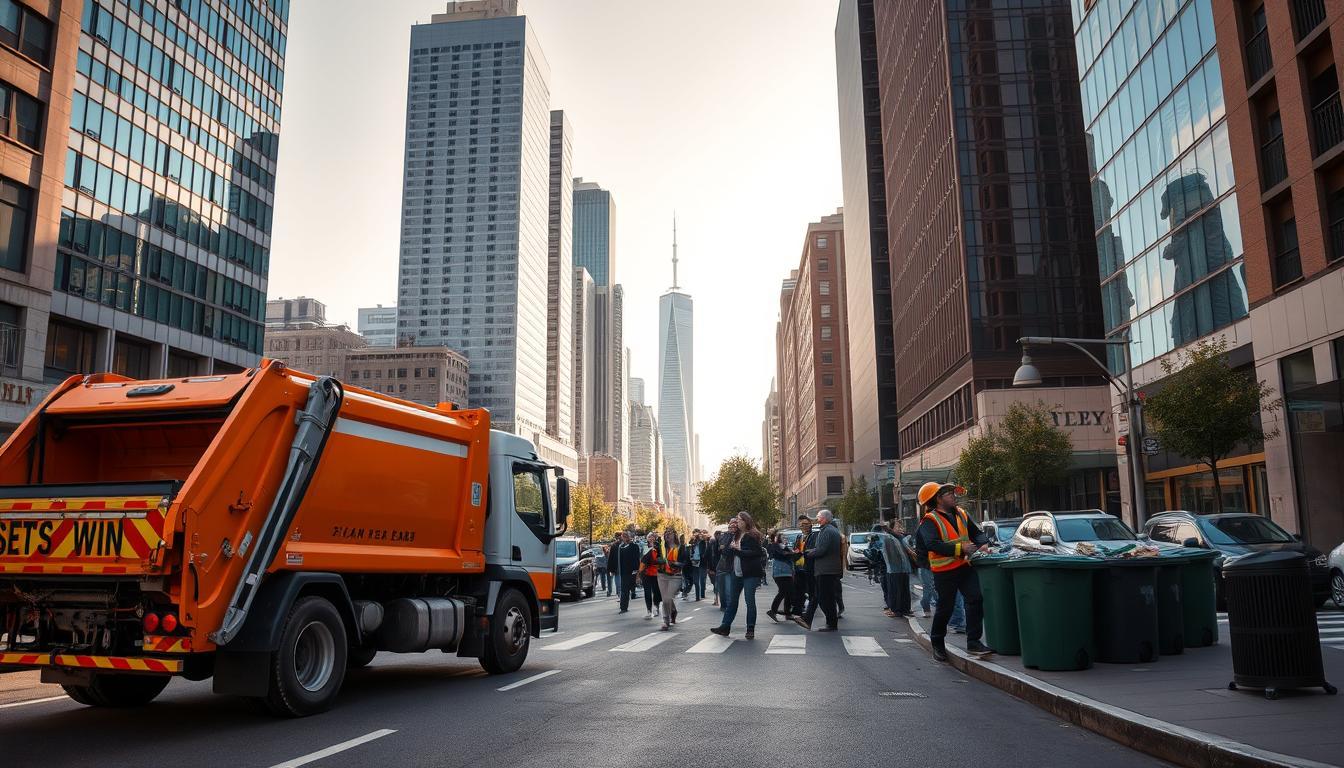
Did you know that urban areas generate over 2 billion tons of municipal solid waste annually? This staggering number highlights the critical need for efficient waste management in modern cities. As urban populations grow, so does the challenge of keeping our streets clean and our environments healthy.
 AI generated image
Urban planning plays a vital role in addressing this issue. Cities must integrate advanced systems and technologies to handle waste effectively. Specialized vehicles, like garbage trucks, are at the heart of these solutions. They ensure that waste is collected, transported, and disposed of efficiently, maintaining urban hygiene and public health.
Innovative designs in these vehicles have also brought significant benefits. Modern trucks are equipped with compactors, reducing waste volume and minimizing trips to disposal sites. Additionally, alternative fuel options help lower emissions, contributing to cleaner city environments.
By combining smart urban planning with cutting-edge waste management solutions, cities can create cleaner, healthier spaces for everyone. Let’s explore how these advancements are shaping the future of urban living.
Understanding Urban Planning and Waste Management
Urban planning has always been about creating functional and sustainable cities, but today, it’s also about tackling waste management head-on. As urban populations grow, the need for efficient systems to handle municipal waste becomes more pressing. Cities must now integrate advanced waste management strategies into their infrastructure to maintain cleanliness and public health.
Evolving Cityscapes and Infrastructure
Modern urban planning has evolved to include integrated waste management systems. These systems ensure that cities remain clean and sustainable. For example, South Africa’s urban centers face significant challenges due to rapid population growth and limited resources. Municipalities are now focusing on strategic layouts that accommodate waste collection vehicles, ensuring efficient routes and timely pickups.
Technological advancements have also played a crucial role. Smart systems now optimize waste collection schedules, reducing fuel consumption and emissions. This innovation is essential for cities aiming to meet sustainability goals while managing increasing waste volumes.
Addressing Municipal Waste Challenges
Municipalities worldwide face the challenge of managing waste under growing urban density. In South Africa, cities like Johannesburg and Cape Town are implementing innovative solutions to handle waste effectively. These include public awareness campaigns, recycling initiatives, and investments in modern waste collection vehicles.
One key strategy is the use of trucks equipped with compactors. These vehicles reduce waste volume, minimizing trips to disposal sites and lowering operational costs. Such practical solutions are vital for cities striving to balance economic and environmental priorities.
| Challenge | Solution | Impact |
|---|---|---|
| Rapid population growth | Integrated waste management systems | Improved city cleanliness |
| Limited resources | Public awareness campaigns | Increased recycling rates |
| High waste volume | Compactor-equipped trucks | Reduced disposal trips |
Continuous innovation in urban planning is essential to address the dynamic needs of waste management. By adopting advanced technologies and strategic layouts, cities can create cleaner, healthier environments for their residents.
The Vital Role of gabage truck in Modern Cities
The backbone of urban sanitation lies in the reliable and timely removal of waste. In bustling cities, these vehicles ensure that streets remain clean and public health is maintained. Without them, urban areas would quickly become overwhelmed by the sheer volume of waste generated daily.
Modern waste collection systems are designed to handle diverse urban environments efficiently. Vehicles equipped with advanced technologies optimize routes, reduce fuel consumption, and minimize emissions. For example, GPS-enabled systems allow for real-time tracking, ensuring that collections are completed on schedule.
Well-maintained and technologically advanced vehicles play a crucial role in reducing street clutter. They also promote hygiene by ensuring waste is removed promptly. Innovations like hydraulic compactors increase efficiency by reducing waste volume, minimizing trips to disposal sites.
These vehicles are not just about cleanliness; they support healthier communities. By integrating smart technologies, cities can improve service delivery while lowering operational costs. This balance is essential for sustainable urban living.
| Benefit | Description | Impact |
|---|---|---|
| Route Optimization | GPS-enabled systems for efficient collection | Reduced fuel consumption |
| Waste Compaction | Hydraulic compactors reduce waste volume | Fewer disposal trips |
| Real-Time Tracking | Monitor vehicle locations for timely service | Improved operational efficiency |
By investing in modern waste collection systems, cities can create cleaner, healthier environments for their residents. These vehicles are indispensable in the ongoing effort to manage urban waste effectively.
Innovation in Garbage Truck Design and Technology
Innovation in waste management is reshaping urban landscapes, especially in South Africa. Cities are adopting advanced technologies to handle increasing waste volumes efficiently. Modern designs focus on improving service capacity while minimizing environmental impact.

Latest Advances in Compactor Models
Compactor models have seen significant upgrades in recent years. For example, the 8POA2025 NISSAN UD features an automatic transmission system, enhancing performance in urban settings. These models reduce waste volume by up to 90%, minimizing trips to disposal sites.
Advanced compactors are built with durable materials like Q345 carbon steel, ensuring longevity and reliability. Their hydraulic systems allow for efficient waste compression, making them ideal for densely populated areas.
Fuel Efficiency and Low-Emission Technologies
Modern vehicles prioritize fuel efficiency and low emissions. The Euro 3 emission standard ensures cleaner operations, reducing the carbon footprint of waste management systems. GPS-enabled route optimization further lowers fuel consumption.
In South Africa, these technologies are crucial for meeting urban sustainability goals. By integrating smart systems, cities can reduce operational costs while maintaining high service standards.
| Feature | Benefit | Impact |
|---|---|---|
| Automatic Transmission | Improved performance | Efficient waste collection |
| Hydraulic Compactor | Reduces waste volume | Fewer disposal trips |
| Euro 3 Emission Standard | Lower emissions | Cleaner urban environment |
Continuous research and development are essential to keep pace with modern urban needs. By investing in innovative designs, cities can create cleaner, healthier environments for their residents.
How Garbage Trucks Enhance Urban Cleanliness
Clean streets are a cornerstone of thriving urban communities, and modern waste management plays a pivotal role. Efficient systems ensure that cities remain hygienic and visually appealing, fostering a sense of pride among residents.
Coordinated Efforts in Street Sweeping
Modern waste collection vehicles are designed to handle diverse urban environments effectively. They enable coordinated street sweeping and waste removal, ensuring that streets remain free of debris. Municipalities often collaborate with private operators to create organized schedules, reducing the risk of waste accumulation.
One example is the use of GPS-enabled systems in South Africa. These technologies optimize routes, ensuring timely pickups and reducing fuel consumption. Such innovations not only improve efficiency but also contribute to cleaner urban spaces.
Coordinated programs have shown significant success in cities like Johannesburg and Cape Town. By leveraging advanced truck technology, these initiatives address waste accumulation rapidly, supporting broader public health and environmental goals.
Effective waste management through coordinated operations ensures that cities remain clean and functional. These efforts are essential for creating healthier, more sustainable urban environments.
Economic and Environmental Benefits of Effective Waste Management
Effective waste management is a cornerstone of modern urban development, offering both economic and environmental rewards. Cities that invest in robust systems not only save money but also contribute to a healthier planet.
One of the most significant advantages is cost savings. Efficient systems optimize resource allocation, reducing redundant expenditures. For example, municipalities can save substantial amounts each year by using advanced technologies that streamline operations.
Modern waste collection technology also supports sustainability initiatives. By reducing environmental footprints, these systems help cities meet their green goals. Case studies show that cities implementing such technologies have seen a noticeable decrease in emissions and waste volume.
Technologically advanced vehicles lower maintenance and operational costs. These savings allow municipalities to allocate funds to other critical areas, further enhancing urban living conditions.
Comprehensive sustainability initiatives are another benefit. Efficient waste management reduces environmental degradation, supporting broader ecological goals. This dual focus on cost and sustainability proves the value of investing in advanced systems.
By balancing economic efficiency with environmental responsibility, cities can create cleaner, healthier spaces for their residents. The measurable benefits of these strategies highlight their importance in modern urban planning.
Selecting the Right Garbage Truck for Your City
Choosing the right waste collection vehicle is a critical decision for any city aiming to maintain cleanliness and efficiency. With various models available, it’s essential to evaluate key features and performance metrics to ensure the best fit for your urban needs.

Key Features to Consider
When selecting a vehicle for waste management, several factors should guide your decision:
- Durability: Opt for models made from high-strength materials like Q345 carbon steel, ensuring longevity in demanding urban environments.
- Fuel Efficiency: Vehicles with advanced fuel systems or electric options can reduce operational costs and environmental impact.
- Technology Integration: Look for models equipped with IoT technology for real-time tracking and route optimization.
These features not only enhance performance but also contribute to long-term savings and sustainability.
Comparative Analysis of Truck Models
Different models cater to varying urban needs. Here’s a comparison of popular options in South Africa:
| Model | Key Features | Best For |
|---|---|---|
| Front Loader | High efficiency, single operator | Industrial waste collection |
| Rear Loader | Versatile, cost-effective | Residential and commercial areas |
| Side Loader | Automated loading, compact design | Narrow streets |
Each model offers unique advantages, making it crucial to align your choice with your city’s specific requirements.
Investing in the right vehicle ensures consistent performance year after year, supporting cleaner and healthier urban environments. By carefully evaluating features and comparing models, municipalities can make informed decisions that benefit both their operations and communities.
Integrating Modern Waste Solutions with Urban Planning
Smart cities are redefining waste management through advanced technologies and community-driven solutions. By aligning urban planning with innovative waste systems, cities can achieve cleaner, healthier environments while optimizing resources.
Smart City Infrastructure Developments
Modern urban planning leverages smart infrastructure to enhance waste collection efficiency. For example, IoT-enabled systems optimize routes for waste collection vehicles, reducing fuel consumption and emissions. These technologies ensure timely pickups, even in densely populated areas.
In South Africa, cities like Johannesburg are adopting smart bins equipped with sensors. These bins monitor waste levels in real time, enabling proactive collection schedules. Such innovations minimize overflow and maintain urban cleanliness.
Community Engagement and Public-Private Partnerships
Community involvement is critical for sustainable waste management. Public awareness campaigns encourage residents to reduce, reuse, and recycle, easing the burden on collection systems. Partnerships with private companies further enhance service delivery.
For instance, Cape Town has collaborated with local businesses to implement recycling programs. These initiatives not only reduce waste but also create economic opportunities for communities.
| Initiative | Benefit | Impact |
|---|---|---|
| Smart Bins | Real-time waste monitoring | Reduced overflow and cleaner streets |
| IoT Route Optimization | Efficient collection schedules | Lower fuel consumption and emissions |
| Recycling Programs | Community participation | Economic and environmental benefits |
By integrating advanced technologies and fostering community partnerships, cities can create sustainable waste management systems. These efforts not only improve urban cleanliness but also contribute to broader environmental goals.
Enhancing Urban Life with Professional Waste Management Services
Professional waste management services are transforming urban landscapes by ensuring cleaner, healthier environments. With the growing challenge of waste in cities, these services play a vital role in maintaining public health and urban aesthetics. By leveraging advanced technologies and innovative strategies, providers like Transtech are setting new standards in waste collection and disposal.
Connecting with Transtech
For reliable and efficient waste management solutions, contact Transtech at 021 948 4746 or email info@transtech.co.za. Their team of experts is dedicated to delivering tailored services that meet the unique needs of urban areas.
Innovative Strategies for Refuse Collection
Modern waste management relies on innovative strategies to improve efficiency and reduce environmental impact. Specialized compactors, for example, minimize waste volume, allowing for fewer trips to disposal sites. Advanced truck systems equipped with GPS and IoT technology optimize routes, ensuring timely and cost-effective collections.
Investments in employee training and cutting-edge technologies have positioned Transtech as a leader in the industry. Their commitment to sustainability and operational excellence ensures that cities remain clean and functional throughout the year.
| Strategy | Technology | Benefit |
|---|---|---|
| Route Optimization | GPS and IoT Systems | Reduced fuel consumption |
| Waste Compaction | Hydraulic Compactors | Fewer disposal trips |
| Real-Time Monitoring | Smart Sensors | Proactive waste collection |
By adopting these innovative strategies, Transtech has transformed municipal waste collection systems, contributing to overall urban well-being. Their solutions not only enhance efficiency but also support broader environmental goals, making them a trusted partner for cities across South Africa.
Final Reflections on Urban Waste Management for a Future-Ready City
As cities grow, the challenge of managing waste efficiently becomes more critical. Advanced technologies, such as modern compactor models, are essential for reducing waste volume and minimizing environmental impact. These innovations, combined with optimized truck systems, ensure cleaner, healthier urban spaces.
Urban planning has made significant strides in integrating these solutions. Cities now focus on smart systems that adapt to increasing waste output and urban density. Continuous improvement in technology and strategies is vital to meet future demands.
For a sustainable future, municipal leaders must embrace forward-thinking approaches. Investing in robust, environmentally-friendly solutions will maintain operational efficiency and urban cleanliness. Together, we can build future-ready cities that thrive.
Note: Prices and specifications shown are for reference only and may change without notice. For the latest information, please contact Transtech directly on 021 948 4746.