
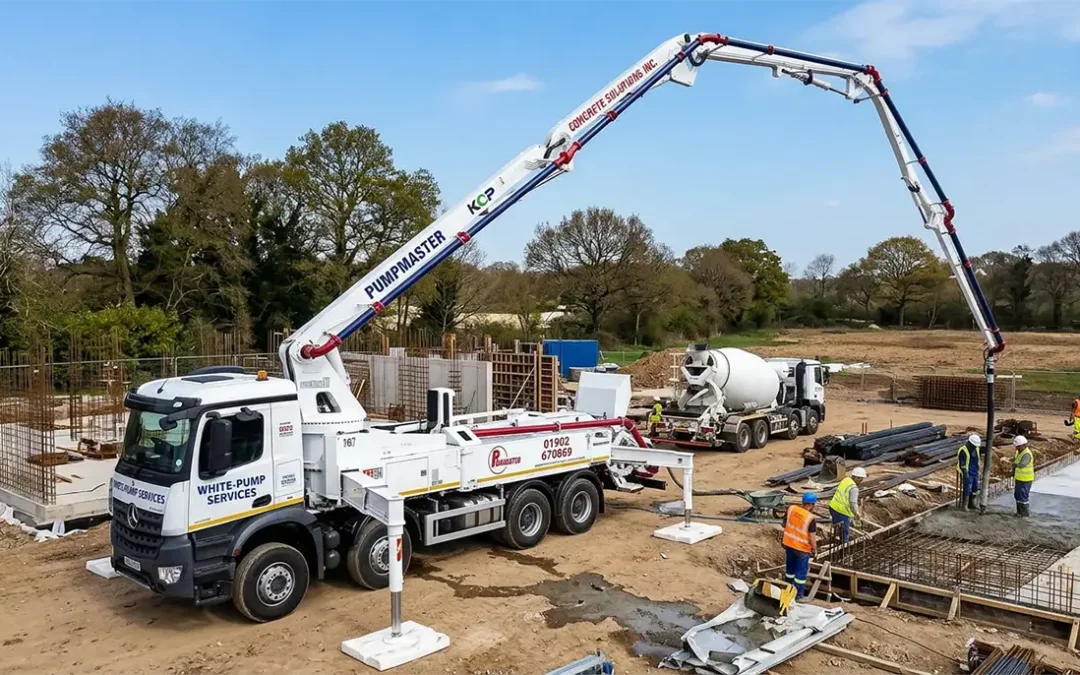
Concrete pump hire is widely used in modern construction because it allows builders to move concrete quickly, efficiently, and accurately across a job site. Instead of transporting concrete using wheelbarrows, cranes, or buckets, a pump moves the material directly from the concrete truck to the exact location where it needs to be placed.
Understanding how concrete pump hire works helps contractors, builders, and property developers plan their construction projects better. When you understand the pumping process, the equipment involved, and the preparation required, you can avoid delays and improve the efficiency of your concrete pours.
Concrete pumping is used for residential construction, commercial developments, infrastructure projects, and large-scale industrial builds. Whether you are pouring a house foundation, a driveway, a warehouse floor, or a multi-storey building slab, pumping concrete provides one of the fastest and most practical methods of concrete placement.
The Basic Principle of Concrete Pumping
Concrete pumping works by pushing liquid concrete through a system of pipes or hoses using hydraulic pressure. The pump draws concrete from the hopper and forces it through the delivery line until it reaches the location where it needs to be placed.
The concrete remains workable while travelling through the pipes, allowing it to flow smoothly and fill the formwork once it exits the hose.
A typical concrete pumping system consists of:
-
A concrete pump machine
-
A hopper that receives concrete from the mixer truck
-
Hydraulic pistons that push the concrete forward
-
Delivery pipes or hoses
-
A placing boom or flexible end hose
-
A trained pump operator
The pump generates pressure that moves the concrete through the pipeline. Workers guide the end hose to control where the concrete flows.
This system allows concrete to be delivered over long horizontal distances or high vertical heights, depending on the type of pump being used.
The Equipment Used in Concrete Pump Hire
Concrete pump hire involves several specialised pieces of equipment that work together to move the concrete efficiently.
The Concrete Pump
The pump is the central machine responsible for pushing concrete through the pipeline.
Most pumps use hydraulic cylinders that operate in alternating cycles. One cylinder draws concrete into the chamber while the other pushes concrete into the pipeline. This continuous cycle creates a steady flow.
The pump also contains a valve system that directs concrete into the delivery line.
The Hopper
The hopper is a large funnel-shaped container attached to the pump.
The ready-mix concrete truck pours concrete into this hopper. The pump then draws the concrete from the hopper and moves it into the pumping system.
The hopper also contains agitator blades that keep the concrete moving so it does not separate or harden before entering the pump.
Delivery Pipes and Hoses
Concrete travels from the pump to the placement area through a system of pipes and hoses.
These pipes are made from strong steel or rubber and are designed to withstand high pressure.
Delivery systems may include:
-
Rigid steel pipes for long distances
-
Flexible rubber hoses for final placement
-
Clamps and joints connecting each pipe section
The end hose is usually flexible so workers can direct the concrete accurately into the formwork.
Boom Systems
Boom pumps use an articulated arm mounted on a truck.
This arm unfolds and extends to reach the area where the concrete must be placed. Hydraulic controls allow the operator to move the boom precisely.
Boom pumps are common on large construction projects because they allow concrete to reach elevated areas quickly.
Control Systems
Modern concrete pumps include electronic control systems that allow the operator to control pumping speed, pressure, and boom movement.
These controls help maintain steady concrete flow and improve safety on the job site.
Step-by-Step Process of Concrete Pump Hire
Understanding the sequence of events during a concrete pumping job helps explain how the system works in practice.
Step 1: Site preparation
Before the pump arrives, the construction site must be prepared.
Workers prepare the formwork, reinforcement, and pour area. Access routes for trucks and pumps must also be clear.
The pump position is selected so that the machine can reach the pour area easily.
Step 2: Pump setup
When the concrete pump arrives on site, the operator positions the machine.
Boom pumps extend stabilisers to keep the vehicle stable during operation. The boom is unfolded and positioned above the work area.
For line pumps, workers connect delivery pipes and hoses from the pump to the placement location.
Step 3: Concrete delivery
Ready-mix trucks deliver concrete to the job site.
The truck reverses into position near the pump hopper and begins unloading the concrete.
Step 4: Loading the hopper
Concrete flows from the mixer truck into the pump hopper.
Agitator blades inside the hopper keep the mixture moving and prevent it from settling.
Step 5: Pumping begins
Once the hopper contains concrete, the operator activates the pump.
Hydraulic pistons begin drawing concrete into the pump cylinders and pushing it into the delivery pipeline.
Concrete starts travelling through the pipes toward the placement area.
Step 6: Concrete placement
Concrete exits the end hose and flows into the formwork or surface being poured.
Workers guide the hose to spread the concrete evenly.
The crew also uses tools such as rakes and vibrators to distribute the concrete and remove air pockets.
Step 7: Continuous pumping
Concrete pumping usually continues without interruption.
Ready-mix trucks arrive one after another to keep the hopper filled. Continuous pumping helps maintain consistent concrete quality.
Step 8: Cleaning the system
After the pour is complete, the pump and pipes must be cleaned.
Workers flush the pipeline with water and cleaning balls to remove remaining concrete.
Cleaning prevents hardened concrete from blocking the system.
Types of Concrete Pumps Used in Pump Hire
Concrete pump hire companies typically offer several types of pumps.
Choosing the right type depends on the project size and site conditions.
Boom pumps
Boom pumps are mounted on trucks and include a hydraulic arm.
This arm allows the operator to position the hose exactly where the concrete must be placed.
Boom pumps work well for:
-
Large slabs
-
High-rise construction
-
Bridges
-
Industrial projects
They allow fast concrete placement and require fewer workers.
Line pumps
Line pumps push concrete through flexible hoses or rigid pipes.
They are commonly used for smaller construction projects.
Typical applications include:
-
House foundations
-
Driveways
-
Swimming pools
-
Small commercial slabs
Line pumps cost less to hire and can reach tight areas.
Trailer pumps
Trailer pumps are portable units that can be transported between sites.
They often operate with long pipelines and can handle medium-sized construction projects.
How Concrete Moves Through the Pump
Concrete pumping depends on hydraulic pressure and a valve system.
Inside the pump are two cylinders connected to hydraulic pistons.
The pumping cycle works like this:
-
One cylinder fills with concrete from the hopper
-
The other cylinder pushes concrete into the pipeline
-
A valve switches direction
-
The cylinders swap roles
This alternating motion creates a constant flow of concrete through the pipes.
The pump must maintain enough pressure to keep the concrete moving smoothly without causing blockages.
Concrete Mix Requirements for Pumping
Not all concrete mixes work well in pumps.
The mix must flow smoothly through pipes without separating.
Important factors include:
-
Aggregate size
-
Cement content
-
Water ratio
-
Slump consistency
If the aggregate is too large or the mix is too dry, the concrete may block the pipeline.
Ready-mix suppliers usually prepare special mixes designed for pumping.
These mixes move more easily through the delivery system.
How Far and How High Concrete Can Be Pumped
Concrete pumps can move concrete impressive distances.
Depending on the pump type and pressure capacity, concrete can travel:
-
Hundreds of metres horizontally
-
Several storeys vertically
Large boom pumps used in high-rise construction can deliver concrete to very high floors.
Line pumps can also push concrete long distances through pipelines when required.
The maximum pumping distance depends on:
-
Pump power
-
Pipeline length
-
Concrete mix design
-
Site layout
Advantages of Concrete Pump Hire
Concrete pump hire offers several advantages for construction projects.
Faster concrete placement
Large areas can be poured quickly, which reduces project delays.
Reduced labour
Workers no longer need to transport concrete manually.
Improved access
Concrete can reach difficult areas that trucks cannot access.
Better placement control
Operators and workers guide the hose to place concrete accurately.
Consistent quality
Continuous pumping improves concrete consistency.
Common Challenges During Concrete Pumping
Although concrete pumping is efficient, certain challenges may occur.
Pipeline blockages
Concrete may block pipes if the mix is incorrect or pumping stops for too long.
Equipment setup requirements
Boom pumps require sufficient space for stabilisers and boom movement.
Coordination between trucks and pump
Concrete delivery must remain continuous during pumping.
If the hopper runs empty, pumping must stop.
Proper planning helps prevent these problems.
Safety Measures During Concrete Pumping
Concrete pumping involves heavy equipment and high pressure, so safety procedures are important.
Key safety practices include:
-
Using trained pump operators
-
Keeping workers clear of moving boom sections
-
Monitoring stabiliser positioning
-
Wearing protective equipment
-
Maintaining clear communication on site
Following these practices reduces the risk of accidents.
Why Concrete Pump Hire Improves Construction Efficiency
Concrete pump hire has become an essential service in modern construction because it dramatically improves efficiency.
By pumping concrete directly from the mixer truck to the placement area, construction teams save time and reduce physical labour. Projects move faster and large pours become easier to manage.
Concrete pumping also improves placement accuracy and helps maintain consistent concrete quality across large surfaces.
These benefits explain why concrete pumps are used on projects ranging from residential driveways to large commercial developments.
Final Thoughts on How Concrete Pump Hire Works
Understanding how concrete pump hire works helps builders and contractors make better decisions when planning concrete pours.
The system relies on specialised pumps, hydraulic pressure, and delivery pipelines to move concrete quickly and efficiently across a construction site. With the right equipment, correct concrete mix, and proper site preparation, concrete pumping provides one of the most reliable ways to place concrete in modern construction.
For projects that involve large volumes of concrete, limited site access, or elevated pours, concrete pump hire remains one of the most effective solutions available to the construction industry.
Note: Prices and specifications shown are for reference only and may change without notice. For the latest information, please contact Transtech directly on 021 948 4746.