

The construction industry in South Africa is booming. Billions of rand are being spent on infrastructure projects every year. A big part of these projects involves concrete pumping equipment, which affects the cost a lot.
Did you know that renting concrete pumps can cost differently? It depends on the pump type, where the project is, and how long you need it. Knowing these costs is key for planning your budget.
When deciding to rent or buy concrete pumping equipment, many factors come into play. In this article, we’ll explore these factors. This will help you make smart financial choices for your construction project.
Understanding Concrete Pumps: A Quick Overview
Concrete pumps are key in modern construction. They help place concrete efficiently in many settings. These machines have changed how we do construction, making it more reliable and precise.
What Are Concrete Pumps?
Concrete pumps move liquid concrete from one place to another. They are essential for projects needing precise concrete placement. These machines handle the heavy concrete mixture well.
They work by creating pressure to push concrete through a pipeline. The type of pump used affects how this is done. Industrial concrete pumps are built for heavy-duty tasks, moving large amounts of concrete over long distances.
Different Types of Concrete Pumps
There are many types of concrete pumps, each for different needs.
- Boom Pumps: These are versatile and widely used for their ability to cover a large area without needing to relocate the pump.
- Trailer-Mounted Pumps: Also known as line pumps, these are mounted on trailers and are ideal for projects where space is limited.
- Line Pumps: These pumps are used for smaller projects or in areas where a boom pump cannot be utilised.
Knowing the different types of concrete pumps is key. It helps choose the right one for your project. This ensures efficient commercial concrete pumping.
| Type of Pump | Application | Key Features |
|---|---|---|
| Boom Pump | Large construction sites | Long reach, high capacity |
| Trailer-Mounted Pump | Smaller sites, tight spaces | Compact, versatile |
| Line Pump | Residential projects, repairs | Precise placement, smaller capacity |
Benefits of Using Concrete Pumps
Concrete pumps bring many benefits. They increase efficiency, lower labour costs, and reach hard spots. Using concrete pump services helps projects meet deadlines and quality standards.
They also cut down on manual labour. This reduces errors and makes sites safer.
Factors Influencing Concrete Pump Costs
Several factors can change the cost of concrete pumps. Knowing these can help you manage your project’s budget better.
Type of Pump
The type of concrete pump needed affects the cost. High-pressure concrete pumps are pricier because of their advanced tech. They’re great for tough jobs.
Diesel concrete pumps are powerful and flexible, perfect for big projects. But they cost more than electric or smaller pumps.
Equipment Age and Condition
The age and condition of the pump matter a lot. New pumps are more expensive but work better and last longer. This can save money in the long run.
Older or used pumps might be cheaper at first. But they might need more repairs and cause delays. This can cost more in the end.
Project Location
Where your project is located can also raise costs. Delivering the pump to remote areas is harder and more expensive. Local rules and access issues can add to the cost too.
Rental vs. Purchase: Which Is Best?
Choosing between renting or buying a concrete pump is a big decision. It affects your project’s budget and how well it runs. This choice is key for any project, big or small.
Renting a concrete pump has its perks, like flexibility and access to various types of pumps. It’s great for short-term projects or unique jobs. But buying might save money for long-term or big projects.
Pros and Cons of Renting
Renting concrete pumps offers flexibility and a wide range of equipment. It’s perfect for projects with changing needs or short timelines.
- Flexibility: Renting lets you pick the right pump for each job, fitting different project needs.
- Lower Upfront Costs: Renting means no big initial costs, helping with cash flow.
- Maintenance and Support: Rental companies handle upkeep and repairs, easing your workload.
But renting can add up over time. Also, finding a pump might be hard during busy construction seasons.
When to Consider Buying
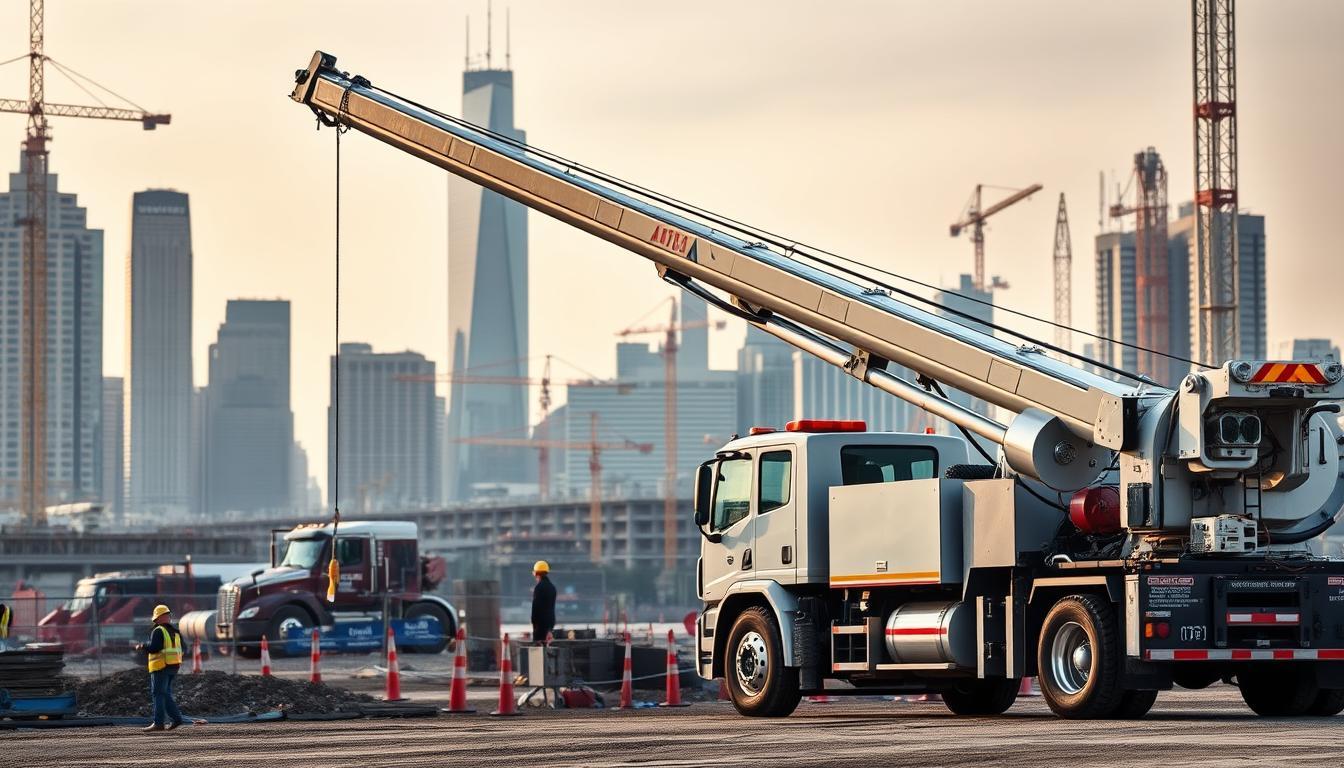
Buying a concrete pump is a big deal but can be worth it for frequent or long-term use. It lets you control when and how you use it.
Think about buying if:
- You have many projects that need concrete pumps.
- You use the pump a lot, making it a good investment.
- You want to handle maintenance and scheduling yourself.
Long-Term Financial Implications
The cost of renting versus buying over time depends on several things. These include how often you use it, upkeep costs, and storage needs.
| Factor | Renting | Buying |
|---|---|---|
| Initial Investment | Low | High |
| Maintenance Costs | Typically covered by rental company | Your responsibility |
| Flexibility | High | Low |
| Long-Term Cost | Can be higher with frequent rentals | Depends on usage and maintenance |
Deciding to rent or buy a concrete pump should be based on careful thought. Consider your project’s needs, your budget, and future plans.
Average Costs of Concrete Pump Rentals
Knowing the average costs of concrete pump rentals is key for budgeting in construction projects. Renting concrete pumping equipment helps companies save money without sacrificing quality.
The cost of renting a concrete pump varies a lot. This is because of regional price variations. Different areas in South Africa have different prices due to demand, availability, and local market conditions.
Regional Price Variations
Regional prices greatly affect the cost of renting concrete pumps. For example, cities with lots of construction might charge more than rural areas. It’s important to look up local rates to find the best deal.
Daily versus Hourly Rates
Whether you rent by the day or hour also matters. Daily rates are better for long projects, while hourly rates are good for short ones. Knowing your project’s needs helps you pick the best option.
Remember, there are extra costs like delivery, pickup, and operator services. These can add up fast. So, include them in your budget.
Expenses Beyond Rental Fees
There are many costs beyond just the rental fees for a commercial concrete pumping project. Knowing these can help you plan your budget better. This way, you can avoid any surprise expenses.
Transportation Costs
Getting a concrete pump to the site can be expensive. This is true, even more so if the site is far away. You’ll need to pay for fuel, the driver’s time, and maybe even for the crew to stay overnight.
To save money, plan your project well. Try to make all deliveries at once if you can.
Labor Costs
Hiring skilled workers is another big expense. The project’s complexity and how long it takes affect these costs. Having experienced operators can help keep these costs down.
Maintenance and Repairs
Equipment maintenance and repairs can also add up. If the equipment is used a lot or in tough conditions, these costs can be higher. It’s important to include these in your project budget.
| Expense Type | Average Cost | Factors Influencing Cost |
|---|---|---|
| Transportation | $500-$2,000 | Distance, Fuel Prices, Crew Costs |
| Labor | $1,000-$5,000 | Project Complexity, Operator Experience |
| Maintenance & Repairs | $300-$1,500 | Equipment Condition, Usage Intensity |
Pricing for New Concrete Pumps
Buying a new concrete pump means knowing the prices. Prices range from affordable to very expensive. The cost depends on the pump type, its size, and extra features.
Budget Models
For those with limited budgets, there are cheaper concrete pump choices. These pumps might lack some advanced features. But they can handle small to medium projects well.
Before picking a budget model, think about what you really need. Make sure the pump fits your project’s needs.
High-End Performance Models
On the other hand, there are top-of-the-line pumps for big projects or those needing extra features. These pumps are built for heavy use. They last longer and work better, saving money in the long run.
These high-end models have cool tech like remote control and high pressure. They also last longer, cutting down on repair costs.
Financing Options
Financing is key for many when buying industrial concrete pumps. There are loans, leases, and rental deals with buyout options. Knowing these can help manage money better.
Talking to financial experts is smart. They can help find the best financing for your business. Consider things like interest rates and repayment terms.
Costs of Used Concrete Pumps
Many construction companies find buying used concrete pumps a smart way to save money. The market for these pumps is wide, with many options available.
Where to Find Used Pumps
There are many places to find used construction equipment, including diesel concrete pumps. Some top places include:
- Online marketplaces like MachineryTrader and EquipmentTrader
- Auctions, both online and offline, where used construction equipment is sold
- Specialized used equipment dealers who inspect and refurbish machinery
When looking online, use specific keywords like “used diesel concrete pumps for sale in South Africa” to find what you need.
Key Considerations When Buying Used
When buying used diesel concrete pumps, there are important things to think about. Here are some key points:
- Condition and Age: Check the pump’s condition and age. Older pumps might be cheaper but could need more upkeep.
- Maintenance History: A well-kept pump will last longer. Look for maintenance records and check for any signs of neglect.
- Specifications: Make sure the pump’s specs fit your project needs, like capacity, reach, and power source.
Experts say, “Inspecting used equipment yourself or hiring a pro can prevent expensive surprises later.”
By being careful and thorough, you can find reliable used diesel concrete pumps that fit your budget and needs.
Hidden Costs to Look Out For
When planning for concrete pumps, remember it’s not just the upfront cost. There are hidden expenses that can affect your budget. Knowing these costs helps you avoid unexpected money issues.
Insurance and Liability
Insurance and liability are key hidden costs. Experts say,
“Insurance premiums can vary widely depending on the type of equipment, its value, and the project’s location.”
Adequate insurance coverage is vital for safety and protection against accidents and damage.
Permitting Fees
Permitting fees can quickly add up, mainly for big or complex projects. These fees change based on where you are and the equipment used. Make sure to include these costs in your budget to avoid delays.
Fuel Costs
Diesel-powered concrete pumps have fuel costs to consider. Fuel prices can change, so it’s important to factor this into your project’s total cost. Efficient fuel management can help reduce these costs.
Knowing about these hidden costs helps you plan better for your construction project. This way, you can avoid unexpected financial surprises.
How to Get the Best Pricing
Finding the best deal on a concrete pump is more than just looking at prices. It’s about understanding the market, knowing what to look for, and being aware of cost factors.
Requesting Multiple Quotes
Getting quotes from several suppliers is a smart move. It helps you see the market rate clearly and compare services and features.
For example, when looking at high-pressure concrete pumps, ask about specs, maintenance, and extra costs. A detailed quote helps you make a better choice.
| Supplier | Price | Services Included |
|---|---|---|
| Supplier A | $1,000 | Delivery, Maintenance |
| Supplier B | $900 | Delivery |
| Supplier C | $1,100 | Delivery, Maintenance, Operator |
Negotiating with Suppliers
Negotiation is key to getting the best price. Suppliers can be flexible, often for big or repeat orders. Being ready to negotiate can save a lot.
“The art of negotiation is not about getting the lowest price, but about getting the best value.” –
When negotiating for electric concrete pumps, talk about rental time, equipment condition, and extra services. Suppliers might offer discounts for long rentals or bundled services.
Leveraging Seasonal Discounts
Many suppliers offer seasonal discounts or promotions. Knowing these can help you plan better.
Renting concrete pumps in the off-season can be cheaper. Buying at the end of the year might get you clearance sales.
- Research seasonal demand patterns for concrete pumps.
- Plan your purchases or rentals wisely.
- Ask suppliers about upcoming deals.
By using these strategies—getting multiple quotes, negotiating, and using seasonal discounts—you can get the best price for your concrete pump needs.
Conclusion: Making Informed Financial Choices
Knowing the costs of concrete pumps is key for construction success in South Africa. Understanding what affects the price of concrete pumping equipment helps businesses make smart choices. These choices can greatly impact their profits.
Key Takeaways
The type of concrete pump, its age, and the project’s location all play a big role in costs. Renting or buying pumps has its own advantages and disadvantages. Knowing these can help you pick the best option for your budget.
It’s also important to think about costs beyond just renting fees. Things like transportation and labour costs matter too.
Investing in Concrete Pumps
Buying the right concrete pumping equipment can make your project more efficient and save money in the long run. Whether you choose to rent or buy, it’s important to talk to suppliers and look for deals. Also, make sure to check the condition of used pumps.
By following these steps, construction projects can stay on budget and meet their goals.
FAQ
What factors influence the cost of renting a concrete pump?
How do I determine whether to rent or buy a concrete pump?
What are the benefits of using concrete pumps in construction projects?
What are the different types of concrete pumps available?
Are there any additional costs associated with renting or buying a concrete pump?
How can I get the best pricing for concrete pump rentals or purchases?
What should I consider when buying a used concrete pump?
Can I rent a concrete pump for a small project?
Note: Prices and specifications shown are for reference only and may change without notice. For the latest information, please contact Transtech directly on 021 948 4746.