
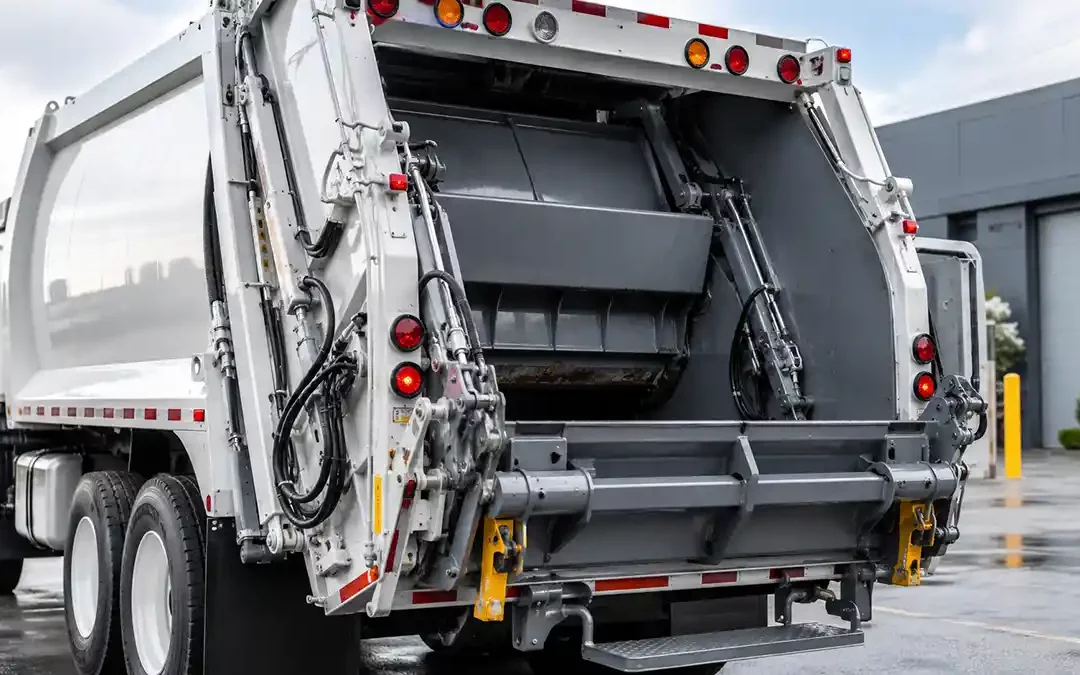
Key Features of Waste Disposal Trucks | What to Look For
The key features of waste disposal trucks determine how safely, quickly, and cost-effectively waste can be collected. If you manage waste removal for a business, site, estate, municipality or commercial property, the right truck features can make a clear difference to daily operations.
A modern waste disposal truck is no longer a basic collection vehicle. It can include hydraulic lifting systems, waste compactors, safety cameras, GPS tracking, container handling equipment and emission-control systems. These features help waste teams collect more waste per trip, reduce delays and improve worker safety.
This guide breaks down the most useful waste disposal truck features and explains why they matter when you compare trucks, hire a waste disposal truck or plan a waste collection service.
Why Waste Disposal Truck Features Matter
Waste collection is hard on vehicles. Trucks stop often, carry heavy loads and work in residential streets, commercial yards, industrial sites and construction areas. The features built into the truck decide how well it handles this work.
The right waste disposal truck can help you:
- collect more waste in fewer trips
- handle different bin and container sizes
- reduce manual lifting for workers
- improve safety around people, cars and buildings
- lower fuel use and downtime
- match the truck to the type of waste being collected
For truck hire, these details matter because the cheapest truck is not always the best fit. A truck that matches your waste type and site layout will usually save time and reduce problems on collection day.
Main Types of Waste Disposal Trucks
Different truck types use different loading systems. Before looking at the technical features, it helps to know the main truck categories.
| Truck Type | Best Used For | How It Loads Waste |
|---|---|---|
| Front loader truck | Commercial waste, large bins and dumpsters | Hydraulic forks lift the container over the cab |
| Rear loader truck | General residential and business waste | Waste is loaded into a rear hopper |
| Side loader truck | Kerbside bin collection | A side arm lifts wheelie bins from the road edge |
| Roll-off truck | Construction, rubble and bulky waste | The truck loads and transports large open-top containers |
1. Strong Body Construction
One of the most important waste disposal truck features is a strong body. These trucks carry heavy and uneven loads, so the body must handle pressure, vibration and repeated loading.
Common body features include:
- reinforced steel panels
- heavy-duty chassis support
- protected hydraulic parts
- sealed waste compartments
- corrosion-resistant sections where wet waste is handled
A strong truck body helps the vehicle last longer and reduces the chance of damage during daily use. This is useful for commercial waste, mixed waste and sites where containers may hold heavy materials.
2. Waste Compaction Systems
Compaction is one of the biggest reasons modern waste disposal trucks are so useful. A compaction system compresses waste inside the truck body, allowing the vehicle to carry more waste before it needs to unload.
This matters because fewer disposal trips can reduce fuel use, labour time and route delays.
Common Compaction Mechanisms
| Compaction Type | How It Works | Best Fit |
|---|---|---|
| Hydraulic ram | Pushes waste into the body under pressure | Heavy general waste |
| Packer blade | Sweeps waste from the hopper into the body | Rear loader trucks |
| Moving wall | Compresses waste across the truck body | High-volume commercial waste |
When comparing waste disposal truck hire options, ask whether the truck has a compactor and what type of waste it can compact. Not every waste type should be compressed in the same way.
3. Hydraulic Lifting Systems
Hydraulic systems do the heavy lifting. They power forks, arms, bin tippers, tailgates and compaction equipment.
Good hydraulic systems help with:
- lifting large bins or dumpsters
- reducing manual handling
- speeding up loading
- improving operator control
- handling repeat lifting during long routes
A front loader truck relies on strong hydraulic forks. A side loader uses a hydraulic arm. A rear loader may use a bin lifter or hydraulic packer system. In each case, the hydraulic setup must match the job.
4. Container Compatibility
Waste disposal trucks must match the containers they collect. A truck that cannot lift your bin, skip, dumpster or wheelie bin will slow down the job or make collection impossible.
Container compatibility can include:
- standard wheelie bins
- large commercial bins
- industrial dumpsters
- roll-off containers
- split containers for recycling
This is one reason site details matter when hiring a waste disposal truck. The provider needs to know what containers are on-site, how much waste you have and how easy it is for the truck to access the loading point.
5. Safety Features
Waste trucks work around people, traffic, driveways, gates, loading bays and tight spaces. Safety features help protect the driver, ground crew and anyone nearby.
Useful Waste Disposal Truck Safety Features
- rear-view and side-view cameras
- proximity sensors
- reverse alarms
- emergency stop controls
- reflective markings
- good cab visibility
- stable braking systems
- secure hydraulic locks
For business sites, estates and construction areas, these features are useful because trucks often operate near workers, parked vehicles and buildings.
6. Operator Comfort and Cab Design
Driver comfort is not only about convenience. A tired or uncomfortable driver can make mistakes, especially on long routes with frequent stops.
Modern waste disposal trucks may include:
- adjustable seats
- easy-to-reach controls
- air conditioning
- wide mirrors
- clear dashboard displays
- low-entry cab steps
- reduced cab noise
For busy collection routes, these cab features support better focus and safer operation.
7. Fuel Efficiency
Fuel use is a major cost in waste collection. Waste trucks stop, idle, lift, compact and accelerate many times during a route. This makes fuel-saving features important.
Fuel-saving features may include:
- idle-reduction systems
- efficient hydraulic pumps
- route planning software
- lighter truck body materials
- better engine management
- alternative fuel options
A fuel-efficient waste disposal truck can reduce operating costs, especially on regular collection routes or long-distance waste transport.
8. Emission Control Systems
Modern waste disposal trucks need to meet cleaner operating standards. Emission control systems reduce the pollutants released by heavy vehicles.
Common emission-control features include:
- diesel particulate filters
- selective catalytic reduction systems
- cleaner diesel engines
- CNG or alternative fuel options
- electric truck options in some fleets
For companies and public bodies that report on sustainability, the truck’s emissions profile can form part of the buying or hire decision.
9. GPS Tracking and Route Planning
GPS tracking helps waste companies manage trucks in real time. It also helps clients get better service because dispatchers can see where each vehicle is and plan routes more accurately.
Route technology can help with:
- tracking collection progress
- reducing missed pickups
- planning shorter routes
- responding to urgent waste collection requests
- recording service history
- managing driver performance
This is useful for waste disposal truck hire companies because it improves planning and helps keep collection times under control.
10. Maintenance Access and Durability
A waste disposal truck must be easy to inspect and maintain. If common service points are hard to reach, small issues can become costly breakdowns.
Important maintenance features include:
- easy access to hydraulic lines
- protected electrical systems
- clear service panels
- strong hinges and moving parts
- grease points for compaction equipment
- robust tyres and braking systems
Regular checks are needed on hydraulic systems, tyres, brakes, compaction blades, lights, sensors and lifting equipment. This keeps the truck reliable and reduces downtime.
11. Waste Type Adaptability
Not all waste is the same. A truck used for general household waste may not suit rubble, garden waste, recycling or commercial waste.
Some trucks can be adapted for:
- general waste
- dry commercial waste
- green waste
- recyclables
- bulky waste
- construction waste
Split-body trucks can carry two waste streams in separate compartments. Roll-off trucks are better for bulky and site-based waste. Rear loaders are useful for mixed general waste collections.
Quick Comparison of Key Waste Disposal Truck Features
| Feature | Why It Matters | Best For |
|---|---|---|
| Compaction system | Increases load capacity | High-volume waste routes |
| Hydraulic lift | Reduces manual handling | Large bins and repeat collections |
| Camera system | Improves visibility | Tight sites and busy areas |
| GPS tracking | Improves route control | Managed fleets and hire services |
| Container compatibility | Matches truck to site equipment | Commercial and industrial waste |
| Emission systems | Reduces environmental impact | Urban collection routes |
How to Choose the Right Waste Disposal Truck Features
Start with the job, not the truck. The best features depend on your waste type, volume, access and collection frequency.
Ask these questions before choosing a truck or booking waste disposal truck hire:
- What type of waste needs to be collected?
- How much waste is produced?
- Are there bins, dumpsters or loose waste?
- Is the site narrow, busy or hard to access?
- Does the waste need compaction?
- Will the truck need to work near staff, customers or residents?
- Is this a once-off job or regular collection?
These answers help match the truck to the site. They also help avoid booking a vehicle that is too small, too large or not compatible with the waste containers on-site.
Final Thoughts
The key features of waste disposal trucks affect safety, speed, cost and reliability. Compaction systems, hydraulic lifts, container compatibility, GPS tracking, safety cameras and fuel-saving technology all play a role in better waste collection.
If you need a truck for a site, business, estate or project, focus on the waste type and site access first. Once those details are clear, it becomes much easier to choose the right waste disposal truck for the job.
FAQ: Key Features of Waste Disposal Trucks
What are the most important features of a waste disposal truck?
The most important features include compaction systems, hydraulic lifting equipment, safety cameras, strong body construction, container compatibility and reliable braking systems.
Why do waste disposal trucks use compactors?
Compactors reduce the volume of waste inside the truck. This allows the vehicle to carry more waste per trip and reduces the number of disposal trips needed.
What safety features should a waste disposal truck have?
A good waste disposal truck should have cameras, mirrors, reverse alarms, reflective markings, emergency stop controls, strong brakes and safe hydraulic systems.
Can one waste disposal truck collect different types of waste?
Some trucks can collect different waste types, but it depends on the truck design. Split-body trucks can separate waste streams, while roll-off trucks work better for bulky site waste.
How does GPS help waste disposal trucks?
GPS helps dispatchers track vehicles, plan routes, reduce missed collections and respond faster to schedule changes or urgent collection requests.
What makes a waste disposal truck fuel-efficient?
Fuel-efficient trucks may use idle-reduction systems, efficient hydraulic pumps, route planning software, lighter materials and cleaner engine technology.
Why is container compatibility important?
The truck must match the bins or containers on-site. If the lifting system is not compatible, the truck may not be able to collect the waste safely or efficiently.
Are electric waste disposal trucks available?
Yes, electric waste disposal trucks are becoming more common in some fleets. They are quieter and produce no tailpipe emissions, but availability depends on the area and the service provider.
Note: Prices and specifications shown are for reference only and may change without notice. For the latest information, please contact Transtech directly on 021 948 4746.