
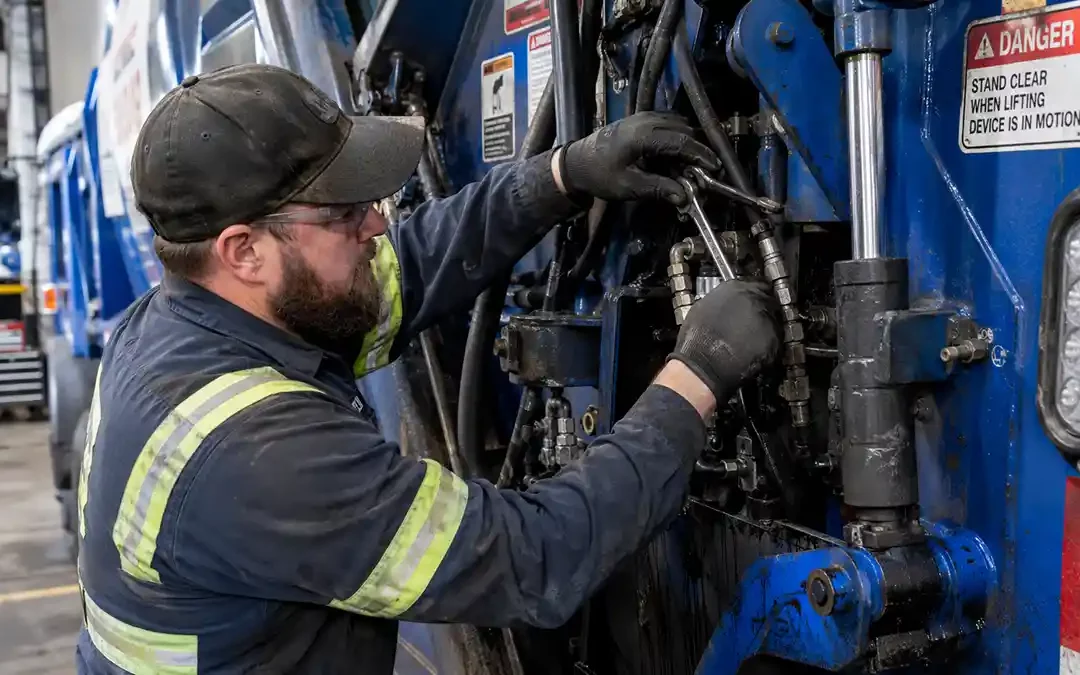
Maintenance Tips for Waste Disposal Trucks – A comprehensive look
Maintenance tips for waste disposal trucks help you keep your fleet reliable, safe, and cost-effective. Waste trucks work under heavy pressure every day. They deal with stop-start driving, heavy loads, hydraulic lifting, compaction systems, wet waste, dust, and rough working conditions.
If you hire, manage, or operate waste disposal trucks, regular maintenance protects your vehicle, your driver, and your collection schedule. A small fault in the hydraulic system, brakes, tyres, or compactor can quickly turn into a costly breakdown.
This guide covers practical waste truck maintenance steps you can use to reduce downtime and keep your vehicles working for longer.
Why waste disposal truck maintenance matters
Waste trucks are not ordinary heavy vehicles. They spend most of the day stopping, starting, lifting, compacting, and moving under load. That places extra strain on the engine, transmission, brakes, suspension, tyres, hydraulics, and electrical system.
A planned maintenance routine helps you:
- reduce breakdowns during collection routes
- lower repair costs
- extend the working life of your trucks
- improve fuel use
- protect drivers and pedestrians
- keep your waste collection schedule on track
- spot faults before they become serious
Use daily pre-trip and post-trip checks
Daily checks are one of the easiest ways to prevent downtime. Drivers should inspect the truck before leaving the yard and again when the truck returns.
Check fluid levels
Check engine oil, coolant, brake fluid, transmission fluid, diesel exhaust fluid, and hydraulic fluid. Low fluid levels can point to leaks, worn seals, or poor servicing. Do not ignore fresh marks under the truck.
Inspect tyres
Check tyre pressure, tread depth, sidewall damage, cuts, bulges, and objects stuck in the tread. Waste trucks often work near curbs, building sites, industrial yards, and uneven surfaces, so tyre damage is common.
Test lights and alarms
Brake lights, indicators, reverse lights, beacons, warning alarms, and cameras should work before the truck leaves the yard. These parts matter in tight streets, busy sites, and collection areas with pedestrians.
Check the body and loading area
Inspect the hopper, tailgate, steps, handles, bin lifters, guards, and compaction area. Look for cracks, loose bolts, damaged hinges, leaking hoses, or blocked moving parts.
| Daily check | What to look for | Why it matters |
|---|---|---|
| Engine oil | Low level, dirty oil, leaks | Protects the engine from wear |
| Hydraulic fluid | Low level, foaming, leaks | Keeps lifting and compaction working |
| Tyres | Pressure, tread, damage | Improves safety and fuel use |
| Lights and alarms | Faulty bulbs or warning systems | Protects workers and road users |
Keep the engine in good condition
The engine handles long hours, heavy loads, idling, and frequent acceleration. Poor engine maintenance leads to higher fuel use, power loss, overheating, and avoidable repairs.
Change oil at the correct interval
Use the oil grade listed by the manufacturer. Waste trucks often work in harsh conditions, so they may need shorter oil change intervals than vehicles doing light highway work.
Replace filters on schedule
Air filters, oil filters, and fuel filters protect the engine from dirt and poor fuel flow. Dirty filters make the engine work harder and can reduce fuel efficiency.
Watch coolant and temperature
Check coolant level, radiator condition, hoses, clamps, and fan operation. Overheating can cause major engine damage, especially during summer or on heavy commercial routes.
Service the hydraulic system
The hydraulic system is one of the most important parts of a waste disposal truck. It powers the compactor, bin lifters, tailgate, and other moving components.
Hydraulic faults can stop a truck from working, even if the engine is fine.
Inspect hoses and fittings
Look for leaks, cracks, rubbing, swelling, loose fittings, and damaged protective sleeves. A hydraulic hose can fail under pressure, so small signs of wear need fast attention.
Check hydraulic cylinders
Inspect chrome rods, seals, mounts, and pins. Scored rods and leaking seals reduce system power and can damage other parts.
Keep hydraulic fluid clean
Dirty hydraulic fluid causes wear inside pumps, valves, and cylinders. Replace filters and fluid according to the service schedule. Slow lifting, weak compaction, and noisy hydraulic operation are warning signs.
Maintain the compaction system
The compactor does the hard work of compressing waste inside the truck body. If it becomes slow, noisy, or weak, the truck carries less waste and may need more trips to the disposal site.
Check and service:
- packer blades
- guide rails
- rollers
- pivot pins
- pressure valves
- hydraulic cylinders
- wear plates
Grease moving parts on schedule. Remove debris from tracks and loading areas. A blocked or dry compaction system increases strain on the hydraulic pump.
Look after the transmission
Waste disposal trucks often work in stop-start conditions. This creates heat and load in the transmission.
Watch for:
- slow gear changes
- slipping gears
- grinding or whining sounds
- transmission fluid leaks
- a burning smell
- poor acceleration under load
Check the transmission fluid level and condition. Use the correct fluid type. Heavy commercial routes may need more frequent transmission servicing than lighter work.
Inspect brakes often
Brakes are under heavy stress on waste collection routes. These trucks stop often and carry heavy loads, so brake wear can happen fast.
Check pads, drums, discs, and rotors
Look for worn pads, scoring, cracks, heat marks, and uneven wear. Squealing, grinding, vibration, or longer stopping distances need attention.
Check air brake or hydraulic brake systems
Depending on the truck, inspect brake lines, chambers, fluid, air dryers, valves, and fittings. Moisture and leaks can reduce braking performance.
| Brake part | Warning sign | Action |
|---|---|---|
| Pads or shoes | Squealing, grinding, low thickness | Replace before damage spreads |
| Rotors or drums | Heat marks, scoring, vibration | Inspect, machine, or replace |
| Brake lines | Leaks, cracking, corrosion | Repair before route use |
| Air dryer | Moisture in air system | Service or replace cartridge |
Check the suspension system
The suspension helps carry heavy waste loads and keeps the truck stable. It also affects tyre wear, steering, braking, and driver comfort.
Inspect:
- leaf springs
- air bags
- shock absorbers
- bushings
- mounts
- axle alignment
Warning signs include sagging, uneven ride height, swaying, clunking noises, and uneven tyre wear. These faults can affect load control and road safety.
Maintain the electrical system
Modern waste trucks use electrical systems for lights, sensors, cameras, control panels, telematics, safety systems, and hydraulic controls.
Check the battery
Inspect terminals, cables, mounting brackets, and charge condition. Clean corrosion and tighten loose connections.
Inspect wiring
Look for chafed insulation, exposed wires, loose plugs, water ingress, and damaged harnesses. Wiring near moving parts or metal edges needs extra attention.
Use a tyre management plan
Tyres affect safety, fuel use, and running costs. Waste trucks often drive near curbs, rubble, sharp objects, and heavy site entrances.
Your tyre plan should include:
- regular pressure checks
- tread depth checks
- rotation where suitable
- alignment checks
- inspection for cuts and bulges
- matching tyres to the truck’s route type
Use heavy-duty tyres suited to the truck’s load and working environment. Poor tyre management can increase fuel costs and raise the risk of blowouts.
Keep waste disposal trucks clean
Cleaning is part of maintenance. Waste residue, chemicals, liquids, mud, and road grime can cause corrosion and hide faults.
Wash the hopper and rear body
The hopper and compaction area collect wet waste and corrosive material. Wash these areas often to reduce rust and make inspections easier.
Clean around hydraulic parts
Clean hydraulic hoses, cylinders, and fittings so you can spot leaks early. Dirt and old oil can hide problems.
Keep the cab clean
A clean cab supports driver comfort and helps drivers notice warning lights, damaged switches, and loose controls.
Schedule professional inspections
Drivers and in-house teams can handle basic checks, but some repairs need qualified heavy vehicle mechanics. Waste trucks have specialist hydraulic, electrical, and compaction systems.
Call a professional when you notice:
- loss of hydraulic pressure
- recurring electrical faults
- brake performance changes
- transmission problems
- engine warning lights
- unusual compactor movement
- structural cracks or tailgate alignment problems
Choose a mechanic or workshop with experience in commercial waste vehicles, not only general trucks.
Follow manufacturer service schedules
The manufacturer’s manual should guide your maintenance plan. Different truck models, bodies, engines, and hydraulic systems have different service needs.
Keep a service record for each vehicle. Track:
- inspection dates
- reported faults
- oil and filter changes
- hydraulic servicing
- brake work
- tyre replacements
- professional inspection reports
Digital maintenance records make it easier to plan repairs, order parts, and prove the truck has been maintained.
Prepare for seasonal changes
Waste truck maintenance should change with the weather. Cold, heat, rain, and dust all affect truck performance.
Winter maintenance tips
- test battery strength
- check antifreeze levels
- inspect fuel lines for moisture
- use fuel additives where needed
- check tyre condition for wet or icy roads
- inspect lights and warning systems more often
Summer maintenance tips
- check coolant and radiator condition
- monitor hydraulic fluid temperature
- clean radiator fins
- inspect tyres for heat-related pressure changes
- watch for overheating during heavy routes
Make maintenance more sustainable
Good waste truck maintenance also reduces environmental impact. A well-serviced truck burns fuel more efficiently and produces fewer avoidable emissions.
Greener servicing habits include:
- disposing of used oil and fluids correctly
- recycling filters, batteries, and tyres where possible
- fixing leaks quickly
- using approved lubricants and fluids
- reducing unnecessary idling
- keeping engines and emission systems serviced
These steps help reduce waste from the maintenance process itself.
Final thoughts
Waste disposal truck maintenance is about consistency. Daily checks, planned servicing, hydraulic care, brake inspections, cleaning, and seasonal preparation all help keep your fleet on the road.
If this article supports a pillar page on waste disposal trucks or waste disposal truck hire, link it back to that main page. It helps readers move from maintenance advice to your main service offering.
Frequently asked questions
How often should hydraulic systems on waste disposal trucks be checked?
Hydraulic fluid levels should be checked daily. Hoses, fittings, cylinders, filters, and pressure performance should be inspected on a planned service schedule based on the manufacturer’s recommendations.
What is the most important daily check on a waste truck?
Fluid levels, tyres, brakes, lights, and hydraulic leaks should all be checked before the truck starts work.
Why does cleaning matter for garbage truck maintenance?
Cleaning removes corrosive waste residue and makes it easier to see leaks, cracks, worn parts, and damaged hydraulic components.
How can maintenance improve fuel use?
Clean filters, correct tyre pressure, serviced injectors, good wheel alignment, and reduced idling all help lower fuel consumption.
When should you use professional refuse truck servicing?
Use a specialist mechanic for hydraulic pressure loss, transmission faults, brake problems, electrical faults, compactor issues, and structural damage.
What should be included in a waste truck maintenance checklist?
A checklist should include fluids, tyres, brakes, lights, hydraulics, compactor parts, suspension, electrical systems, cleaning, and service records.
How do seasons affect waste truck maintenance?
Cold weather affects batteries, fuel, coolant, and tyres. Hot weather affects cooling systems, hydraulic fluid, tyres, and engine temperature.
Note: Prices and specifications shown are for reference only and may change without notice. For the latest information, please contact Transtech directly on 021 948 4746.