
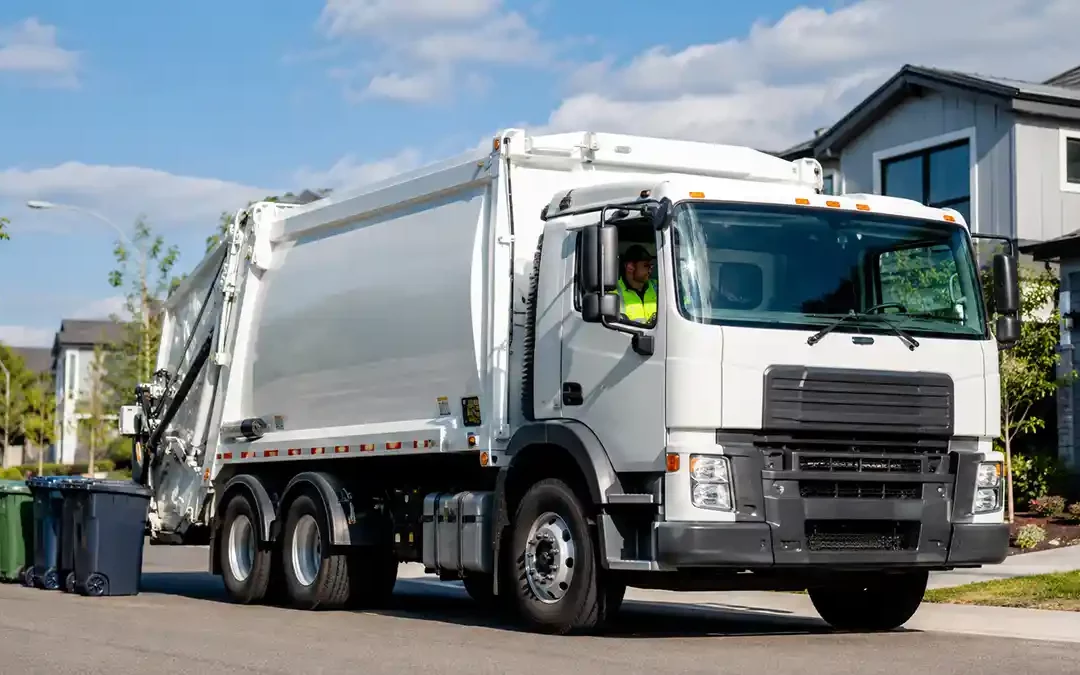
Waste Disposal Trucks: Types, Uses, and What to Know Before Hiring
A waste disposal truck helps keep waste removal organised, safe, and practical. These trucks collect and move general waste, commercial waste, construction waste, garden waste, and other site materials, depending on the truck type and the waste service used.
This guide explains the main types of waste disposal trucks, how they work, where they are used, and what you should check before hiring one. It also helps you decide which truck may suit your site, waste volume, and collection needs.
What is a waste disposal truck?
A waste disposal truck is a specialised vehicle used to collect, load, compact, transport, or tip waste. Some trucks collect wheelie bins from homes. Others collect large commercial bins, skips, rubble, garden refuse, or bulk waste from sites.
The truck does two main jobs:
- It collects waste from the source.
- It transports the waste to a transfer station, landfill, recycling facility, or approved disposal point.
The right truck depends on the type of waste, the space on site, the weight of the load, and how often collections need to happen.
Why waste disposal trucks matter
Waste can build up fast on busy sites. A waste disposal truck keeps that waste moving so the site stays cleaner, safer, and easier to manage.
Businesses, property managers, construction teams, schools, shopping centres, factories, and event organisers use waste trucks when normal bins are not enough. The right service can reduce delays, control odours, keep access areas clear, and help prevent waste from being dumped in the wrong place.
Main types of waste disposal trucks
Not every garbage truck does the same job. Some trucks work best in residential streets. Others suit factories, building sites, shopping centres, or large waste yards.
| Truck type | Best used for | How it loads waste | Common use case |
|---|---|---|---|
| Rear loader truck | General waste and bin collections | Waste is loaded into the back hopper | Residential or business waste routes |
| Front loader truck | Large commercial bins | Hydraulic forks lift bins over the cab | Shopping centres, factories, offices, and complexes |
| Side loader truck | Wheelie bin collections | A side arm lifts bins from the kerb | Residential routes and planned municipal collections |
| Skip loader truck | Skip bins and site waste | The truck lifts and carries the skip | Renovations, building sites, clean-ups, and bulk waste |
| Roll-off truck | Large containers and heavy waste | The container rolls on and off the truck bed | Industrial sites, demolition work, and high-volume waste |
| Compactor truck | Mixed general waste | Waste is compressed inside the truck body | High-volume collection where fewer trips are needed |
How a waste disposal truck works
The process is simple, but the truck itself does heavy work. A crew or automated loading system places the waste into the truck. The truck may then compact the load so it can carry more material in fewer trips.
Most waste disposal trucks use hydraulic systems to lift bins, operate compaction plates, open tailgates, or tip containers. These systems allow the truck to move heavy loads with less manual handling.
Common uses for waste disposal trucks
You can use a waste disposal truck for many collection needs, but the truck must suit the waste stream.
Commercial waste collection
Businesses often need regular waste collection from bins, cages, yards, loading areas, and service points. A commercial waste truck helps keep the site clear without relying on small bins that fill too fast.
Construction and renovation waste
Building sites can produce rubble, packaging, timber, metal, plastic, and mixed waste. Skip loaders and roll-off trucks are often better for this kind of waste than a standard refuse collection truck.
Event waste removal
Events can create a large amount of waste in a short time. A scheduled waste disposal truck can collect waste during or after the event so bins do not overflow.
Industrial and warehouse waste
Factories and warehouses may need waste trucks for packaging, pallets, offcuts, plastic, cardboard, and non-hazardous production waste. The provider should confirm which materials are accepted.
Garden and green waste
Large garden clean-ups, landscaping work, and estate maintenance can require truck collection for branches, grass, leaves, and other green waste.
What to check before hiring a waste disposal truck
Before you book a truck, get the details right. This avoids delays, extra costs, and the wrong vehicle arriving on site.
1. Waste type
Tell the supplier what you need collected. General waste, rubble, soil, garden waste, recyclable material, and hazardous waste may all need different handling.
2. Waste volume
Estimate how much waste you have. Use the number of bins, skip size, truck loads, or cubic metres if you know it. A rough estimate is still better than no estimate.
3. Site access
Check gate width, turning space, height limits, road surface, slopes, and overhead cables. Large waste trucks need safe access and enough room to load.
4. Collection timing
Some sites need once-off collection. Others need daily, weekly, or monthly service. Pick a schedule that matches how fast waste builds up.
5. Disposal method
Ask where the waste will go. A good supplier should use approved disposal, recycling, or transfer facilities where required.
6. Pricing structure
Ask what the price includes. Pricing may depend on truck type, waste type, load size, distance, waiting time, labour, disposal fees, and collection frequency.
Waste disposal truck hire vs buying a truck
Buying a waste disposal truck can make sense for a large fleet or waste company. For many businesses and sites, hiring is the practical choice.
| Option | Best for | Main benefit | Main drawback |
|---|---|---|---|
| Hiring a truck | Once-off jobs, projects, and businesses without fleets | You only pay for the service you need | You need to book around supplier availability |
| Buying a truck | Waste companies and large operators | You control the truck and schedule | You carry purchase, maintenance, insurance, staff, and compliance costs |
If you do not collect waste daily as part of your business, hiring usually gives you a lower-risk route. You get the truck, driver, and waste handling support without owning the vehicle.
Safety points to keep in mind
Waste disposal trucks are large vehicles with moving equipment. Site teams should keep loading areas clear and avoid standing near lifting arms, hoppers, tailgates, or reversing zones.
- Keep pedestrians away from the loading area.
- Move parked cars or equipment before the truck arrives.
- Do not overload bins or skips.
- Do not mix restricted waste with general waste.
- Use a clear contact person on site.
How to get better value from waste truck hire
You can keep costs down by planning the job properly.
- Group waste in one accessible area where possible.
- Separate recyclable material from general waste.
- Book collections before waste becomes a site problem.
- Send photos of the waste and access point when asking for a quote.
- Tell the supplier about access limits before the truck arrives.
When a waste disposal truck is the right choice
A waste disposal truck is the right option when your waste volume, site size, or collection schedule is too much for small bins. It is also useful when waste needs to leave the site fast, safely, and in a controlled way.
For commercial sites, events, construction projects, and large clean-ups, hiring the correct waste truck can save time and reduce site clutter. It also gives you a clearer waste removal process from start to finish.
Need a waste disposal truck for your site?
Speak to Checker Hire about waste disposal truck hire for commercial, construction, event, and site clean-up needs. Share your waste type, site location, access details, and collection timing so the right truck can be matched to the job.
Waste disposal truck FAQs
What is a waste disposal truck?
A waste disposal truck is a heavy-duty vehicle used to collect, compact, move, or dispose of waste from homes, businesses, construction sites, industrial sites, and public areas.
What are the main types of waste disposal trucks?
The main types include rear loader trucks, front loader trucks, side loader trucks, roll-off trucks, skip loader trucks, and compactor trucks. Each truck suits a different waste stream and site layout.
When should I hire a waste disposal truck?
You should hire a waste disposal truck when your site produces more waste than normal bins can handle, when you need scheduled collections, or when you need waste moved from a commercial, industrial, or construction site.
What size waste disposal truck do I need?
The right size depends on the volume of waste, the type of material, how often you need collection, and the access space on your site. A waste service provider can match the truck to your load and route.
Can one truck collect all types of waste?
No. General waste, rubble, garden waste, recyclable material, and hazardous waste often need different handling. Always confirm what the truck is allowed to collect before booking.
Why is site access important when hiring a waste disposal truck?
Waste trucks need safe turning space, firm ground, height clearance, and clear access to bins or loading points. Poor access can delay the job or require a different truck type.
Are waste disposal trucks used for construction waste?
Yes, but the truck must suit the load. Rubble, soil, concrete, and mixed building waste may need skip loaders, roll-off trucks, or tipper-style waste trucks rather than standard refuse vehicles.
What should I ask before hiring a waste disposal truck?
Ask what waste types are accepted, what truck will be used, how pricing works, what access is needed, how soon collection can happen, and where the waste will be taken.
Schema markup
Place this JSON-LD schema at the bottom of the page.
Note: Prices and specifications shown are for reference only and may change without notice. For the latest information, please contact Transtech directly on 021 948 4746.