

The United States has about 180,000 waste trucks. This shows how big the environmental problem of waste collection is. Old garbage trucks make a lot of pollution. So, we need to switch to eco-friendly waste collection vehicles fast.
As we face climate change, we must make waste collection better. We need to use less carbon and make waste trucks cleaner. By doing this, cities can help the planet a lot.
This change is good for our planet. It also shows other countries, like South Africa, how to make waste collection better.
The Environmental Impact of Traditional Garbage Collection
Traditional garbage collection harms the environment a lot. It makes the air dirty and can hurt people’s health. These methods use diesel trucks, which are bad for the planet.
Carbon Footprint of Diesel-Powered Garbage Trucks
Diesel trucks make a lot of greenhouse gases. This leads to climate change. They use a lot of fuel and release a lot of CO2.
Emissions from diesel trucks also include NOx and PM. These are bad for health and the environment.
| Pollutant | Environmental Impact | Health Impact |
|---|---|---|
| CO2 | Contributes to global warming and climate change | Indirectly affects health through climate-related issues |
| NOx | Contributes to smog and acid rain | Respiratory problems and cardiovascular issues |
| PM | Affects air quality and visibility | Respiratory and cardiovascular diseases |
Air Quality and Public Health Concerns
Diesel trucks make the air dirty, hurting air quality. This is worse in cities because there are more people. It can cause breathing problems and heart issues.
Switching to green trash trucks can help. Trucks that run on electricity or other fuels are cleaner.
Noise Pollution in Urban Neighborhoods
Diesel trucks also make a lot of noise. This noise bothers people living in cities. It makes life harder for them.
Using low emission garbage trucks can help. These trucks are better for the planet and are quieter. This makes city life better.
Current State of Waste Collection in South Africa
Waste collection in South Africa is facing many challenges and opportunities. The country needs better ways to manage waste because of environmental issues and more people living in cities.
Municipal Waste Management Systems Overview
South Africa’s cities handle waste in different ways. Some are thinking about using energy-efficient refuse trucks to save money and protect the environment.
But, these systems often struggle because of bad infrastructure, not enough money, and people not knowing how to throw away waste right.
Fleet Composition and Age Analysis
The age and type of waste trucks in South Africa matter a lot. Many trucks are old and need to be updated to use green sanitation fleets that are better for the planet.
- Old trucks pollute more and cost more to run.
- New, green trucks can cut down on pollution and costs.
- Upgrading can also make services better and people happier.
Emissions Profile of South African Waste Collection
The way waste trucks pollute in South Africa is a big worry. Most trucks run on diesel, which makes a lot of harmful emissions.
Switching to green sanitation fleets with cleaner vehicles can help fix this problem.
By choosing greener ways to collect waste, South Africa can become more eco-friendly and sustainable.
Electric Garbage Trucks: The Zero-Emission Alternative
The move to eco-friendly waste collection vehicles is getting bigger. Electric garbage trucks are seen as a key solution. Cities around the world are looking to cut down on pollution by using electric waste vehicles.
Benefits of Electric Waste Collection Vehicles
Electric garbage trucks cut down on harmful emissions and save money. They are cleaner and quieter than old diesel trucks. This makes cities better places to live.
Using electric trucks helps make waste management better for the planet. It means cities use less oil, which is good for the environment.
Battery Technology and Range Considerations
The success of electric garbage trucks depends on their batteries and how far they can go. New battery tech makes these trucks better for daily use.
But, how long it takes to charge and where to charge them are big issues. These are key for more cities to use electric trucks.
Charging Infrastructure Requirements
Electric garbage trucks need good charging systems to work well. This means setting up charging spots at depots and on routes.
Cities need to figure out how much charging they need. This depends on how many trucks they have and how they work.
Local Electric Vehicle Initiatives and Partnerships
In South Africa, there’s a lot of interest in electric vehicles. Many groups are working together to help use more eco-friendly cars.
These efforts help cities switch to electric trucks. They also help make transportation cleaner for everyone.
Hybrid and Alternative Fuel Solutions
Hybrid and alternative fuel solutions are changing garbage collection. They help make it better for the environment. These options can cut down on pollution and make the air cleaner, mainly in cities.
Hybrid Electric-Diesel Garbage Trucks
Hybrid electric-diesel garbage trucks mix old and new tech. They use diesel for power but also electric for better fuel use. This mix cuts down on fuel and emissions, which is great for city streets.
These trucks can run on electric in slow spots. This cuts down on noise and pollution in quiet areas. This is good for cities wanting to be kinder to the planet.
Compressed Natural Gas (CNG) Options
CNG is becoming popular for garbage trucks. It’s better for the environment and saves money. CNG trucks make the air cleaner by cutting down on harmful emissions.
Here’s how CNG trucks compare to diesel ones:
| Fuel Type | Emissions Reduction | Operating Cost |
|---|---|---|
| Diesel | Baseline | Higher |
| CNG | 20-30% | Lower |
Biodiesel Applications from Local Feedstocks
Biodiesel from local waste is a green choice for trucks. It’s made from things like used cooking oil. This cuts down on pollution and uses renewable energy.
Biodiesel has many benefits:
- It’s a renewable energy source
- It’s better for the planet
- It can be made locally

Hydrogen Fuel Cell Technology Prospects
Hydrogen fuel cell tech is new for garbage trucks. It means no emissions and could go further than electric cars. It’s a big step towards cleaner garbage trucks.
The good things about hydrogen tech are no emissions and quiet running. But, we need to work on the cost and making hydrogen available.
Sustainable Garbage Trucks: Design Innovations and Technologies
The world is looking for better ways to manage waste. This has led to new designs in garbage trucks. These designs aim to use less energy and harm the environment less.
Using lightweight materials and aerodynamic designs is a big step. Lighter trucks use less fuel, which means less pollution. Materials like aluminum and composites help make trucks lighter without making them break easily.
Lightweight Materials and Aerodynamic Designs
Light materials in trucks save fuel and make them easier to move. Aerodynamic shapes also help by cutting down on air resistance. This is good for cities where trucks often stop and start.
Regenerative Braking Systems
Regenerative braking systems are another big change. They turn braking energy into electricity. This electricity can power the truck or charge its batteries. It’s great for trucks that stop and start a lot.
Smart Routing and Navigation Technology
Smart routing and navigation technology helps garbage trucks run better. It uses traffic data and smart algorithms to find the best routes. This cuts down on fuel use and pollution. It also changes routes as traffic changes.
Hydraulic Hybrid Systems
Hydraulic hybrid systems are another tech advance. They use hydraulic motors and generators to save energy during braking. This makes trucks more fuel-efficient and cleaner, fitting well with eco-conscious waste management vehicles.
In short, new designs and tech are changing garbage trucks. They make waste management better and more efficient. As these techs get better, we’ll see even more energy-efficient refuse trucks helping our environment.
Operational Strategies to Reduce Emissions
To cut down on emissions from garbage trucks, we need a few key steps. First, we can make garbage trucks run better. This means making routes smarter, training drivers well, and keeping trucks in top shape. These steps can really help the environment.
Route Optimization and Planning
One big way to cut emissions is by making routes better. Using special software, we can plan the best routes. This means trucks use less fuel and make fewer emissions. It’s good for the planet and saves money too.
Planning routes right means looking at traffic, roads, and when to pick up trash. This makes trucks go farther on less fuel. It makes garbage collection better for our planet.
Driver Training for Eco-Friendly Operation
Teaching drivers to drive green is also key. By learning to drive smoothly and avoid idling, drivers can save fuel and cut emissions. This helps make waste collection greener.
Drivers are very important for garbage trucks to run well. Training them to drive green can really help. It makes waste collection better for our planet.
Preventive Maintenance Practices
Keeping trucks in good shape is also important. Regular checks and tune-ups help trucks run better and use less fuel. This means they make fewer emissions.
By keeping trucks running smoothly, we avoid breakdowns and save money. It’s a big step towards greener waste collection.
Idle Reduction Policies and Technologies
Stopping trucks from idling is another big help. Idling is a big source of emissions, mainly in busy cities.
Using tech to stop trucks from idling can really cut emissions. This tech turns off the engine when trucks sit for too long. It’s a big step towards cleaner trucks.
Economic Considerations and Return on Investment
Sustainable garbage trucks cost more at first but save money in the long run. They are good for the planet and your wallet. This makes them a smart choice for waste management.
Initial Cost vs. Lifetime Savings Analysis
Buying sustainable garbage trucks costs more than old ones. But, looking at the big picture shows they save money.
These savings come from using less fuel and needing less repairs. Plus, you might get money back for using green tech.
Fuel and Maintenance Cost Reductions
Electric or hybrid garbage trucks use less fuel. This means they cost less to run. They also need fewer repairs, saving you money.
Available Subsidies and Green Financing Options
There are special deals and loans for green garbage trucks. These help make them more affordable.
These deals can cover some of the extra cost. This makes switching to green trucks easier.
Business Case for Sustainable Fleet Conversion
Showing the benefits of green trucks is key. You need to talk about the money you’ll save and new ways to make money.
| Category | Traditional Garbage Trucks | Sustainable Garbage Trucks |
|---|---|---|
| Initial Cost | $200,000 | $300,000 |
| Fuel Costs (5 years) | $150,000 | $50,000 |
| Maintenance Costs (5 years) | $75,000 | $30,000 |
| Total Cost of Ownership (5 years) | $425,000 | $380,000 |
The table shows how green trucks save money over five years. They cost more at first but save on fuel and repairs. This leads to overall savings.
South African Case Studies and Success Stories
Cities in South Africa are leading the way with green garbage trucks. They are showing us how to care for our planet. These trucks not only cut down on pollution but also change how we handle waste.
Cape Town’s Green Fleet Initiative
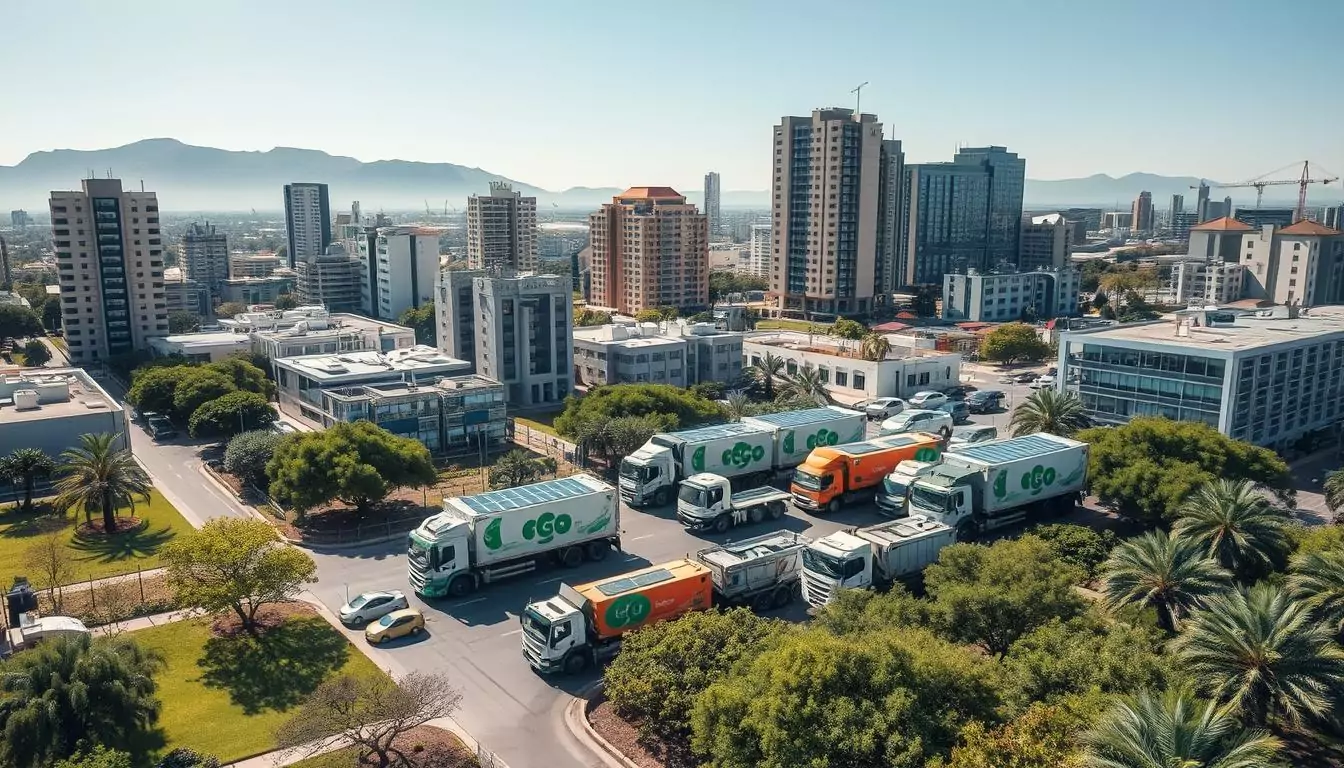
Cape Town is a leader in using green tech for waste trucks. They have electric garbage trucks to lower carbon emissions. This is part of a big plan to make the city greener.
Johannesburg Waste Management Transformation
Johannesburg is also making big changes in waste management. They are looking at hybrid waste collection vehicles to use less diesel. This will help the air and cut down on carbon.
Private Waste Companies Leading Innovation
Private companies in South Africa are key in making new changes. Companies like Waste Management Africa are buying sustainable garbage trucks. They are also using the latest tech for waste.
Community Benefits and Public Perception
Using green waste trucks helps everyone. It makes the air cleaner and is quieter. A survey found that over 80% of people like the change to green trucks.
| City | Initiative | Impact |
|---|---|---|
| Cape Town | Introduction of Electric Garbage Trucks | Reduced carbon emissions by 30% |
| Johannesburg | Adoption of Hybrid Waste Collection Vehicles | Improved air quality, reduced diesel consumption by 25% |
| Private Sector | Investment in Sustainable Garbage Trucks | Increased efficiency, reduced operational costs |
South African cities are great examples for others. By using green trucks, they can lessen harm to the environment. This also makes people healthier and happier.
Policy Framework and Regulatory Support
The use of green trash trucks in South Africa is shaped by policies and rules. Good policies help switch to better waste collection ways.
South African Environmental Regulations
South Africa has laws to cut down on pollution and support green actions. The National Environmental Management Act (NEMA) helps manage the environment. The Air Quality Act works to clean the air by controlling emissions.
These laws help cities use cleaner trash trucks, like energy-efficient refuse trucks. Cities can get help and money for green projects by following these goals.
Municipal Procurement Policies for Green Fleets
How cities buy things is key to getting green fleets. Cities can choose to buy energy-efficient refuse trucks and other green vehicles. This helps meet environmental goals.
- Green buying rules can ask for vehicles that don’t pollute much.
- There can be rewards for sellers of green options.
- Buying rules can match up with big environmental goals.
Carbon Tax Implications for Waste Collection Services
The carbon tax in South Africa affects waste services a lot. Cities with old diesel trucks will pay more because of the tax.
This rule pushes cities to use cleaner trucks, like environmentally conscious trash trucks. This way, they save money and help the planet.
Alignment with National Climate Commitments
South Africa wants to cut down on greenhouse gases, as promised in the Paris Agreement and Nationally Determined Contributions (NDCs). This goal helps cities use energy-efficient refuse trucks and other green tech.
By doing this, cities help the country meet its climate goals. They also make the air cleaner and improve health.
Paving the Way Forward: South Africa’s Opportunity for Sustainable Waste Collection Leadership
South Africa is ready to move towards a greener future. It plans to use eco-friendly waste management vehicles. This move will help reduce harmful emissions from garbage trucks.
Using electric and hybrid trucks, planning routes better, and keeping vehicles in good shape are key steps. These actions will help cut down on pollution. It will also save money on fuel and upkeep.
South Africa can be a leader in waste management. It can show how green trucks can make cities better. Working together, everyone can make a cleaner, healthier world.
FAQ
What are the main environmental concerns associated with traditional garbage collection?
How can electric garbage trucks contribute to reducing emissions?
What are the benefits of adopting hybrid and alternative fuel solutions for garbage trucks?
How can operational strategies reduce emissions from garbage trucks?
What are the economic benefits of transitioning to sustainable garbage trucks?
What role do policy and regulatory support play in promoting sustainable garbage trucks?
Are there any success stories of cities in South Africa adopting sustainable garbage trucks?
What is the of green sanitation fleets in reducing emissions?
How can design innovations and technologies contribute to sustainable garbage trucks?
Note: Prices and specifications shown are for reference only and may change without notice. For the latest information, please contact Transtech directly on 021 948 4746.